


- Afhalen na 1 uur in een winkel met voorraad
- Gratis thuislevering in België vanaf € 30
- Ruim aanbod met 7 miljoen producten
- Afhalen na 1 uur in een winkel met voorraad
- Gratis thuislevering in België vanaf € 30
- Ruim aanbod met 7 miljoen producten





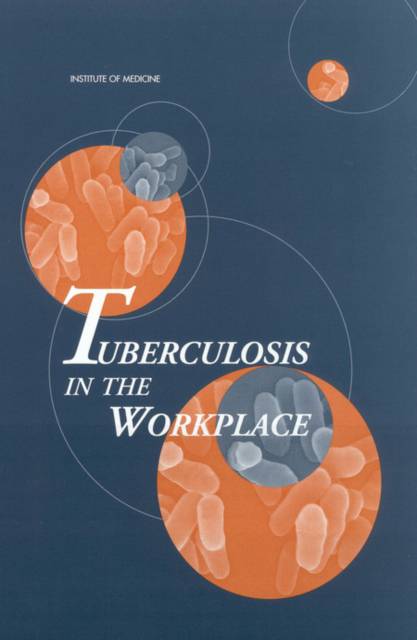
Tuberculosis in the Workplace
Institute of Medicine, Division of Health Promotion and Disease Prevention, Committee on Regulating Occupational Exposure to Tuberculosis
Paperback | Engels
€ 99,45
+ 198 punten
Omschrijving
Before effective treatments were introduced in the 1950s, tuberculosis was a leading cause of death and disability in the United States. Health care workers were at particular risk. Although the occupational risk of tuberculosis has been declining in recent years, this new book from the Institute of Medicine concludes that vigilance in tuberculosis control is still needed in workplaces and communities. Tuberculosis in the Workplace reviews evidence about the effectiveness of control measures--such as those recommended by the Centers for Disease Control and Prevention--intended to prevent transmission of tuberculosis in health care and other workplaces. It discusses whether proposed regulations from the Occupational Safety and Health Administration would likely increase or sustain compliance with effective control measures and would allow adequate flexibility to adapt measures to the degree of risk facing workers.
Specificaties
Betrokkenen
- Auteur(s):
- Uitgeverij:
Inhoud
- Aantal bladzijden:
- 334
- Taal:
- Engels
Eigenschappen
- Productcode (EAN):
- 9780309073301
- Verschijningsdatum:
- 15/06/2001
- Uitvoering:
- Paperback
- Formaat:
- Trade paperback (VS)
- Afmetingen:
- 150 mm x 226 mm
- Gewicht:
- 566 g



Alleen bij Standaard Boekhandel
+ 198 punten op je klantenkaart van Standaard Boekhandel
AANGERADEN


Beoordelingen
We publiceren alleen reviews die voldoen aan de voorwaarden voor reviews. Bekijk onze voorwaarden voor reviews.