


- Afhalen na 1 uur in een winkel met voorraad
- Gratis thuislevering in België vanaf € 30
- Ruim aanbod met 7 miljoen producten
- Afhalen na 1 uur in een winkel met voorraad
- Gratis thuislevering in België vanaf € 30
- Ruim aanbod met 7 miljoen producten




Omschrijving
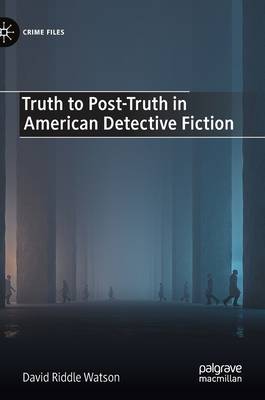
Truth to Post-Truth in American Detective Fiction examines questions of truth and relativism, turning to detectives, both real and imagined, from Poe's C. Auguste Dupin to Robert Mueller, to establish an oblique history of the path from a world where not believing in truth was unthinkable to the present, where it is common to believe that objective truth is a remnant of a simpler, more naïve time. Examining detective stories both literary and popular including hard-boiled, postmodern, and twenty-first century novels, the book establishes that examining detective fiction allows for a unique view of this progression to post-truth since the detective's ultimate job is to take the reader from doubt to belief. David Riddle Watson shows that objectivity is intersubjectivity, arguing that the belief in multiple worlds is ultimately what sustains the illusion of relativism.
Specificaties
Betrokkenen
- Auteur(s):
- Uitgeverij:
Inhoud
- Aantal bladzijden:
- 218
- Taal:
- Engels
- Reeks:
Eigenschappen
- Productcode (EAN):
- 9783030870737
- Verschijningsdatum:
- 26/10/2021
- Uitvoering:
- Hardcover
- Formaat:
- Genaaid
- Afmetingen:
- 148 mm x 210 mm
- Gewicht:
- 462 g


Alleen bij Standaard Boekhandel
Cadeau

AANGERADEN


Beoordelingen
We publiceren alleen reviews die voldoen aan de voorwaarden voor reviews. Bekijk onze voorwaarden voor reviews.