


- Afhalen na 1 uur in een winkel met voorraad
- Gratis thuislevering in België vanaf € 30
- Ruim aanbod met 7 miljoen producten
- Afhalen na 1 uur in een winkel met voorraad
- Gratis thuislevering in België vanaf € 30
- Ruim aanbod met 7 miljoen producten





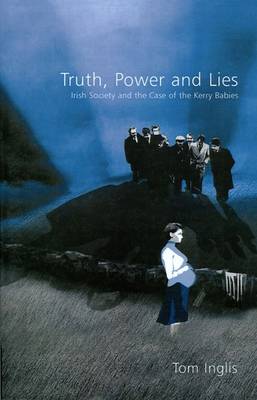
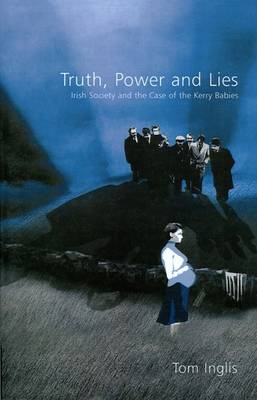
Truth, Power and Lies: Irish Society and the Case of the Kerry Babies
Irish Society and the Case of the Kerry Babies
Tom Inglis
€ 83,95
+ 167 punten
Uitvoering
Omschrijving
The finding of two dead babies within the space of a fortnight in County Kerry in 1984 is an extraordinary story that rocked Catholic Ireland. The Kerry Babies Case is still unresolved, with many unanswered questions. Did Joanne Hayes have twins? Did the Gardai - the Irish police - intimidate her family into confessing their involvement in the murder of one of the babies? The Tribunal which examined the case largely exonerated the Gardai and blamed the family, yet as a result of the case the Murder Squad was disbanded and a Garda Complaints Board established. Tom Inglis, in his detailed analysis of the case, explains that it is obviously important to retell the story because justice might not have been done. But he goes further to explain how the case is an important part of understanding how the second half of 20th-century Ireland saw a transition from a traditional, rural, conservative and Catholic society to the modern, urban, liberal and secular one which is emerging today. In particular, the case represents a watershed for the position of women in Irish society: many were motivated to protest for the first time.
Specificaties
Betrokkenen
- Auteur(s):
- Uitgeverij:
Inhoud
- Aantal bladzijden:
- 304
- Taal:
- Engels
- Reeks:
Eigenschappen
- Productcode (EAN):
- 9781904558019
- Verschijningsdatum:
- 1/05/2004
- Uitvoering:
- Hardcover
- Formaat:
- Genaaid
- Afmetingen:
- 154 mm x 240 mm
- Gewicht:
- 607 g


Alleen bij Standaard Boekhandel
+ 167 punten op je klantenkaart van Standaard Boekhandel
Cadeau

AANGERADEN


Beoordelingen
We publiceren alleen reviews die voldoen aan de voorwaarden voor reviews. Bekijk onze voorwaarden voor reviews.