


- Afhalen na 1 uur in een winkel met voorraad
- Gratis thuislevering in België vanaf € 30
- Ruim aanbod met 7 miljoen producten
- Afhalen na 1 uur in een winkel met voorraad
- Gratis thuislevering in België vanaf € 30
- Ruim aanbod met 7 miljoen producten





€ 42,00
+ 42 punten
Uitvoering
Omschrijving
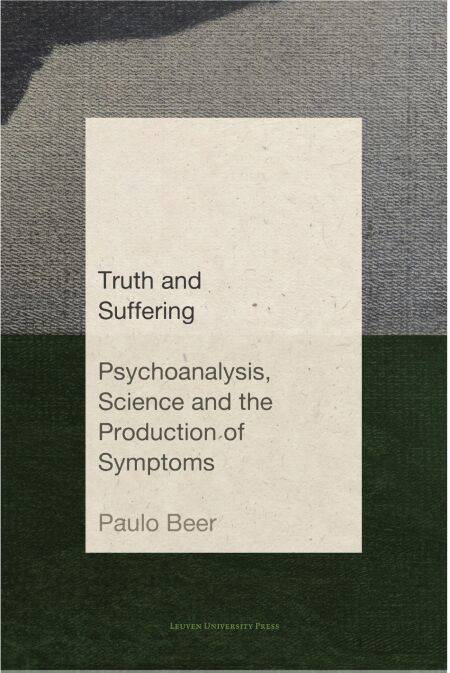
Although truth occupies a central position in philosophy and the philosophy of science, there is much debate about its actual role in scientific practice. Truth and Suffering explores different conceptions of truth and their profound influence on our understanding and approach to suffering. By discussing how different definitions of truth shape distinct ways of producing knowledge, the analysis prompts reflection on the impact of knowledge production on people's lives.
Drawing on the work of authors from psychoanalysis and the philosophy of science, this book challenges dominant mental health paradigms, particularly the hegemony of biologic psychiatry. It resists attempts to naturalise symptoms and emphasises the need for ethical and political factors to be consistently taken into account when addressing suffering.
Offering a clear and original approach to an important and complex debate, Truth and Suffering is of interest not only to specialist readers in a variety of fields, ranging from philosophy of science to psychoanalysis, but also provides an introduction to newcomers interested in these discussions.
Paulo Beer is a psychoanalyst, professor and researcher in São Paulo, Brazil.
This is a very accomplished piece, which manages to stay focused and offer an important contribution to matters of 'evidence', 'truth' and what that means epistemologically and politically. The work is inviting, fluid, well-written and helpful to many scholars of related fields. - Ana Minozzo, University of Essex
Drawing on the work of authors from psychoanalysis and the philosophy of science, this book challenges dominant mental health paradigms, particularly the hegemony of biologic psychiatry. It resists attempts to naturalise symptoms and emphasises the need for ethical and political factors to be consistently taken into account when addressing suffering.
Offering a clear and original approach to an important and complex debate, Truth and Suffering is of interest not only to specialist readers in a variety of fields, ranging from philosophy of science to psychoanalysis, but also provides an introduction to newcomers interested in these discussions.
Paulo Beer is a psychoanalyst, professor and researcher in São Paulo, Brazil.
This is a very accomplished piece, which manages to stay focused and offer an important contribution to matters of 'evidence', 'truth' and what that means epistemologically and politically. The work is inviting, fluid, well-written and helpful to many scholars of related fields. - Ana Minozzo, University of Essex
Specificaties
Betrokkenen
- Auteur(s):
- Uitgeverij:
Inhoud
- Aantal bladzijden:
- 250
- Taal:
- Engels
- Reeks:
Eigenschappen
- Productcode (EAN):
- 9789461665539
- Verschijningsdatum:
- 14/03/2024
- Uitvoering:
- E-book
- Beveiligd met:
- Digital watermarking
- Formaat:


Alleen bij Standaard Boekhandel
+ 42 punten op je klantenkaart van Standaard Boekhandel

Beoordelingen
We publiceren alleen reviews die voldoen aan de voorwaarden voor reviews. Bekijk onze voorwaarden voor reviews.