


- Afhalen na 1 uur in een winkel met voorraad
- Gratis thuislevering in België vanaf € 30
- Ruim aanbod met 7 miljoen producten
- Afhalen na 1 uur in een winkel met voorraad
- Gratis thuislevering in België vanaf € 30
- Ruim aanbod met 7 miljoen producten





€ 50,45
+ 100 punten
Omschrijving
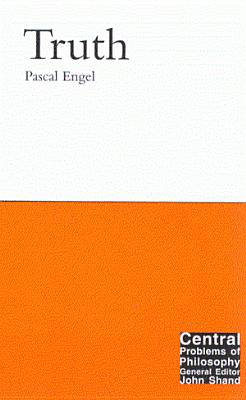
After a brief presentation of the classical conceptions of truth - correspondence, coherence, verificationist, and pragmatist theories - the book focuses on the debate between those who favour "substantive" conceptions of this classical kind and those who advocate so-called "minimalist" and "deflationist" conceptions and deny that truth can be any more than a thin concept, carrying no metaphysical weight.
Engel argues that, although the minimalist conception of truth is basically right, it does not follow that truth can be eliminated from our philosophical thinking, as is claimed by some radical deflationists. In particular, he shows that some deflationist views have a definitively relativist and "postmodernist" ring and should be rejected. Even if a metaphysically substantive theory of truth has little chance to succeed, he argues, truth plays a central role as a norm or guiding value of our rational inquiries and practices in the philosophy of knowledge and in ethics.Specificaties
Betrokkenen
- Auteur(s):
- Uitgeverij:
Inhoud
- Aantal bladzijden:
- 192
- Taal:
- Engels
- Reeks:
- Reeksnummer:
- nr. 4
Eigenschappen
- Productcode (EAN):
- 9780773524620
- Verschijningsdatum:
- 18/09/2002
- Uitvoering:
- Paperback
- Formaat:
- Trade paperback (VS)
- Afmetingen:
- 148 mm x 208 mm
- Gewicht:
- 213 g


Alleen bij Standaard Boekhandel
+ 100 punten op je klantenkaart van Standaard Boekhandel
Cadeau

AANGERADEN


Beoordelingen
We publiceren alleen reviews die voldoen aan de voorwaarden voor reviews. Bekijk onze voorwaarden voor reviews.