


- Afhalen na 1 uur in een winkel met voorraad
- Gratis thuislevering in België vanaf € 30
- Ruim aanbod met 7 miljoen producten
- Afhalen na 1 uur in een winkel met voorraad
- Gratis thuislevering in België vanaf € 30
- Ruim aanbod met 7 miljoen producten





€ 43,45
+ 86 punten
Omschrijving
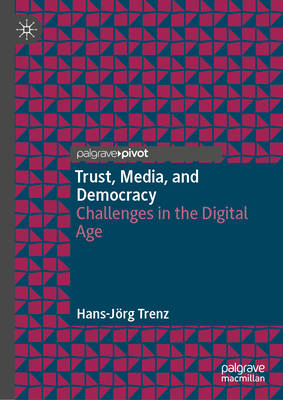
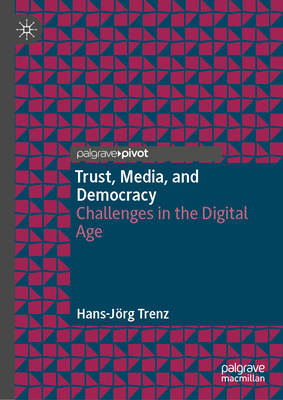
This book explores how trust, media, and democracy are deeply connected in times of digital change and political uncertainty. It shows how trust in democratic institutions and government is built, challenged, and contested through old and new media. The early chapters introduce key ideas about social and political trust and explain why trust and distrust both matter for democracy. It then examines the role of news media and journalism as mediators of trust, before turning to major contemporary challenges such as digitalisation, political polarisation, populism, and the spread of misinformation. Drawing on comparative research from across Europe, including the Covid-19 pandemic, later chapters analyse how citizens judge governments, experts, and media institutions. The book concludes by proposing a model of "enlightened trust" that highlights the importance of critical publics, media responsibility, and democratic debate. It will be of interest to readers searching for insights on trust, media, democracy, and the future of journalism and the public sphere.
Specificaties
Betrokkenen
- Auteur(s):
- Uitgeverij:
Inhoud
- Aantal bladzijden:
- 155
- Taal:
- Engels
Eigenschappen
- Productcode (EAN):
- 9783032207968
- Verschijningsdatum:
- 8/05/2026
- Uitvoering:
- Hardcover
- Formaat:
- Genaaid
- Afmetingen:
- 148 mm x 210 mm


Alleen bij Standaard Boekhandel
+ 86 punten op je klantenkaart van Standaard Boekhandel
Cadeau

AANGERADEN


Beoordelingen
We publiceren alleen reviews die voldoen aan de voorwaarden voor reviews. Bekijk onze voorwaarden voor reviews.