


- Afhalen na 1 uur in een winkel met voorraad
- Gratis thuislevering in België vanaf € 30
- Ruim aanbod met 7 miljoen producten
- Afhalen na 1 uur in een winkel met voorraad
- Gratis thuislevering in België vanaf € 30
- Ruim aanbod met 7 miljoen producten





€ 16,76
+ 16 punten
Omschrijving
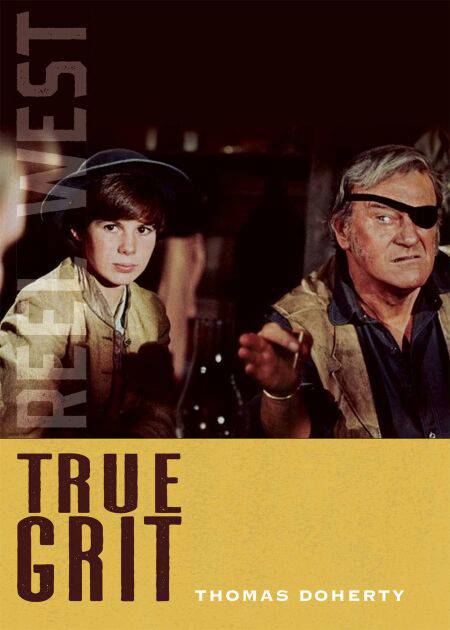
Preeminent film historian Thomas Doherty explores the blockbuster 1969 film adaptation of the Charles Portis novel True Grit, which stars John Wayne in his only Oscar-winning performance.
The year 1969 was a tipping point for Hollywood cinema and a good year for Westerns. In 1968 the censorious Production Code was eliminated. American cinema responded immediately with a spree of theretofore unseen and unimaginable transgressions—one of which arrived in Henry Hathaway’s adaptation of Charles Portis’s best-selling novel True Grit. True Grit featured blunt language (“Fill your hand, you son of a bitch!”) and bloody imagery that would not have been permissible just a couple of years earlier.
Thomas Doherty, one of the foremost film historians writing today, walks readers through Charles Portis’s source novel and its adaptation for the screen, the role of women in a genre often considered antithetical to their presence, and the figure of John Wayne, the Western icon whose public stance as a spokesman for the political right was merging with and complicating his screen persona. While noting its continued appeal for modern audiences, he presents True Grit as a pure product of its time, on the cusp of the Old and New Hollywoods, containing elements of both.
The year 1969 was a tipping point for Hollywood cinema and a good year for Westerns. In 1968 the censorious Production Code was eliminated. American cinema responded immediately with a spree of theretofore unseen and unimaginable transgressions—one of which arrived in Henry Hathaway’s adaptation of Charles Portis’s best-selling novel True Grit. True Grit featured blunt language (“Fill your hand, you son of a bitch!”) and bloody imagery that would not have been permissible just a couple of years earlier.
Thomas Doherty, one of the foremost film historians writing today, walks readers through Charles Portis’s source novel and its adaptation for the screen, the role of women in a genre often considered antithetical to their presence, and the figure of John Wayne, the Western icon whose public stance as a spokesman for the political right was merging with and complicating his screen persona. While noting its continued appeal for modern audiences, he presents True Grit as a pure product of its time, on the cusp of the Old and New Hollywoods, containing elements of both.
Specificaties
Betrokkenen
- Auteur(s):
- Uitgeverij:
Inhoud
- Aantal bladzijden:
- 192
- Taal:
- Engels
- Reeks:
Eigenschappen
- Productcode (EAN):
- 9780826370242
- Verschijningsdatum:
- 02/11/2026
- Uitvoering:
- E-book
- Beveiligd met:
- Adobe DRM
- Formaat:
- ePub


Alleen bij Standaard Boekhandel
+ 16 punten op je klantenkaart van Standaard Boekhandel
Cadeau

AANGERADEN


Beoordelingen
We publiceren alleen reviews die voldoen aan de voorwaarden voor reviews. Bekijk onze voorwaarden voor reviews.