


- Afhalen na 1 uur in een winkel met voorraad
- Gratis thuislevering in België vanaf € 30
- Ruim aanbod met 7 miljoen producten
- Afhalen na 1 uur in een winkel met voorraad
- Gratis thuislevering in België vanaf € 30
- Ruim aanbod met 7 miljoen producten





€ 47,45
+ 94 punten
Omschrijving
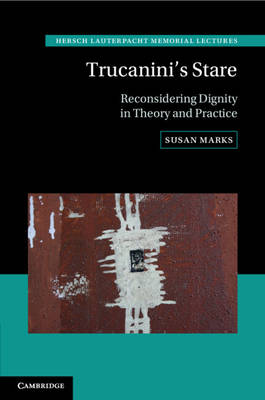
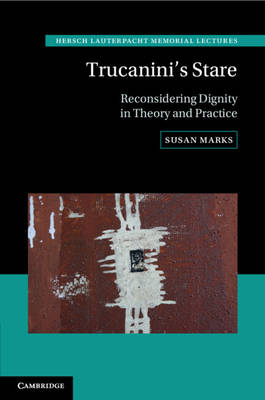
A central concept in international human rights law and many national constitutions is human dignity. Departing from established approaches to dignity in philosophy and legal theory, Susan Marks takes dignity in everyday life ('dignified care', 'dignity in the workplace', etc.) as a starting point for reconsidering the concept's history and significance. The result is a highly original work which gives particular attention to colonial and post-colonial engagements with dignity, and emphasises the character of human dignity as not just an idea or abstract value, but also a lived experience that cannot be understood without reference to social structures and the inequalities and hierarchies they reproduce. If dignity is an attribute which all human beings possess purely by virtue of being human, Marks shows that it is also an element within the systemic operations of privilege and power.
Specificaties
Betrokkenen
- Auteur(s):
- Uitgeverij:
Inhoud
- Aantal bladzijden:
- 197
- Taal:
- Engels
- Reeks:
- Reeksnummer:
- nr. 29
Eigenschappen
- Productcode (EAN):
- 9781009543248
- Verschijningsdatum:
- 29/05/2025
- Uitvoering:
- Paperback
- Formaat:
- Trade paperback (VS)
- Afmetingen:
- 152 mm x 229 mm
- Gewicht:
- 272 g


Alleen bij Standaard Boekhandel
+ 94 punten op je klantenkaart van Standaard Boekhandel
Cadeau

AANGERADEN


Beoordelingen
We publiceren alleen reviews die voldoen aan de voorwaarden voor reviews. Bekijk onze voorwaarden voor reviews.