


- Afhalen na 1 uur in een winkel met voorraad
- Gratis thuislevering in België vanaf € 30
- Ruim aanbod met 7 miljoen producten
- Afhalen na 1 uur in een winkel met voorraad
- Gratis thuislevering in België vanaf € 30
- Ruim aanbod met 7 miljoen producten





€ 65,04
+ 130 punten
Omschrijving
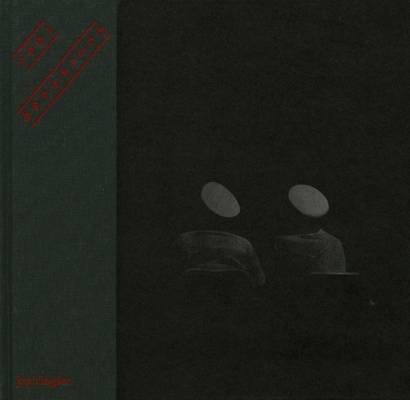
A member of the so-called "Pictures Generation," Troy Brauntuch (born 1954) makes appropriated works that, by removing or adding context, can, on one hand, empty out culturally charged icons, and on the other hand, supply seemingly innocuous material with massive charge. Brauntuch's work 1 2 3 provides a useful example of the tactics he likes to employ; it consists of screenprints of a set of fairly unremarkable sketches--a tank, a vestibule, a stage set--which turn out to have been drawn by one Adolf Hitler. This semiotic standoff between innocuous artwork and not-so-innocuous author compels the viewer to ponder the constructions of significance one so often unthinkingly performs when looking at art--constructions that Brauntuch has consistently sabotaged throughout his 30-year career. This first survey of Brauntuch's work includes essays by Johanna Burton and Douglas Eklund, curator of the Metropolitan Museum of Art's critically acclaimed 2009 Pictures Generation exhibition.
Specificaties
Betrokkenen
- Auteur(s):
- Uitgeverij:
Inhoud
- Aantal bladzijden:
- 144
- Taal:
- Engels
Eigenschappen
- Productcode (EAN):
- 9783905770810
- Verschijningsdatum:
- 31/07/2010
- Uitvoering:
- Hardcover
- Formaat:
- Papier over dekens
- Afmetingen:
- 275 mm x 274 mm
- Gewicht:
- 1070 g


Alleen bij Standaard Boekhandel
+ 130 punten op je klantenkaart van Standaard Boekhandel
Cadeau

AANGERADEN


Beoordelingen
We publiceren alleen reviews die voldoen aan de voorwaarden voor reviews. Bekijk onze voorwaarden voor reviews.