


- Afhalen na 1 uur in een winkel met voorraad
- Gratis thuislevering in België vanaf € 30
- Ruim aanbod met 7 miljoen producten
- Afhalen na 1 uur in een winkel met voorraad
- Gratis thuislevering in België vanaf € 30
- Ruim aanbod met 7 miljoen producten





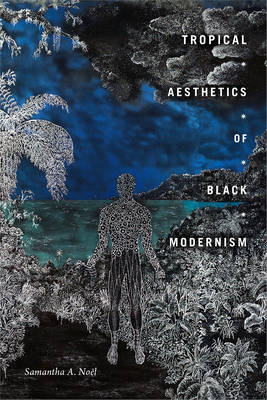
Tropical Aesthetics of Black Modernism
Samantha A Noël
€ 42,95
+ 85 punten
Uitvoering
Eenvoudig bestellen
Veilig betalen


Gratis thuislevering vanaf € 30 (via bpost)
Gratis levering in je Standaard Boekhandel
Omschrijving
In Tropical Aesthetics of Black Modernism, Samantha A. Noël investigates how Black Caribbean and American artists of the early twentieth century responded to and challenged colonial and other white-dominant regimes through tropicalist representation. With depictions of tropical scenery and landscapes situated throughout the African diaspora, performances staged in tropical settings, and bodily expressions of tropicality during Carnival, artists such as Aaron Douglas, Wifredo Lam, Josephine Baker, and Maya Angelou developed what Noël calls "tropical aesthetics"-using art to name and reclaim spaces of Black sovereignty. As a unifying element in the Caribbean modern art movement and the Harlem Renaissance, tropical aesthetics became a way for visual artists and performers to express their sense of belonging to and rootedness in a place. Tropical aesthetics, Noël contends, became central to these artists' identities and creative processes while enabling them to craft alternative Black diasporic histories. In outlining the centrality of tropical aesthetics in the artistic and cultural practices of Black modernist art, Noël recasts understandings of African diasporic art.
Specificaties
Betrokkenen
- Auteur(s):
- Uitgeverij:
Inhoud
- Aantal bladzijden:
- 264
- Taal:
- Engels
- Reeks:
Eigenschappen
- Productcode (EAN):
- 9781478011408
- Verschijningsdatum:
- 26/02/2021
- Uitvoering:
- Paperback
- Formaat:
- Trade paperback (VS)
- Afmetingen:
- 152 mm x 229 mm
- Gewicht:
- 385 g


Alleen bij Standaard Boekhandel
+ 85 punten op je klantenkaart van Standaard Boekhandel
CADEAU

AANGERADEN


Beoordelingen
We publiceren alleen reviews die voldoen aan de voorwaarden voor reviews. Bekijk onze voorwaarden voor reviews.