


- Afhalen na 1 uur in een winkel met voorraad
- Gratis thuislevering in België vanaf € 30
- Ruim aanbod met 7 miljoen producten
- Afhalen na 1 uur in een winkel met voorraad
- Gratis thuislevering in België vanaf € 30
- Ruim aanbod met 7 miljoen producten





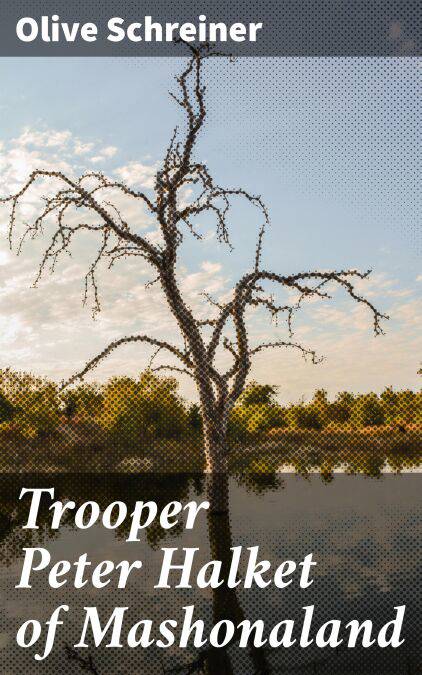
Trooper Peter Halket of Mashonaland E-BOOK
Exploring Colonialism and Masculinity in 19th-Century Southern Africa
Olive Schreiner
E-book | Engels
€ 1,99
+ 1 punten
Uitvoering
Omschrijving
In "Trooper Peter Halket of Mashonaland," Olive Schreiner weaves a complex narrative that explores the moral ambiguities of colonialism through the experiences of the titular character. Set against the backdrop of the Second Matabele War, Schreiner employs a biting satirical tone and vivid imagery to critique the imperialist mindset and its devastating impact on both colonizers and the colonized. The novella's unique mix of adventure and introspection adds depth to its exploration of gender, race, and power dynamics, positioning it firmly within the literary context of late Victorian literature that began to question imperialist ideologies. Olive Schreiner, a prominent feminist and social activist, was profoundly influenced by her own experiences in South Africa, where she observed the consequences of colonialism firsthand. Raised in a missionary family, her early exposure to both the struggles of indigenous peoples and the injustices faced by women informed her deeply empathetic literary voice. Schreiner's background and her commitment to social justice fuel the compelling narrative in Halket, making it not only a work of fiction but also a poignant social critique. I highly recommend "Trooper Peter Halket of Mashonaland" for readers interested in understanding the complexities of colonial narratives and the subversion of traditional gender roles. Schreiner'Äôs insightful prose encourages reflection on moral responsibility in the face of imperial conquest, making this novella a vital contribution to both literary and social discourse.
Specificaties
Betrokkenen
- Auteur(s):
- Uitgeverij:
Inhoud
- Aantal bladzijden:
- 142
- Taal:
- Engels
Eigenschappen
- Productcode (EAN):
- 4064066196066
- Verschijningsdatum:
- 15/12/2019
- Uitvoering:
- E-book
- Beveiligd met:
- Digital watermarking
- Formaat:
- ePub



Alleen bij Standaard Boekhandel
+ 1 punten op je klantenkaart van Standaard Boekhandel
Cadeau

AANGERADEN


Beoordelingen
We publiceren alleen reviews die voldoen aan de voorwaarden voor reviews. Bekijk onze voorwaarden voor reviews.