


- Afhalen na 1 uur in een winkel met voorraad
- Gratis thuislevering in België vanaf € 30
- Ruim aanbod met 7 miljoen producten
- Afhalen na 1 uur in een winkel met voorraad
- Gratis thuislevering in België vanaf € 30
- Ruim aanbod met 7 miljoen producten





€ 38,45
+ 76 punten
Omschrijving
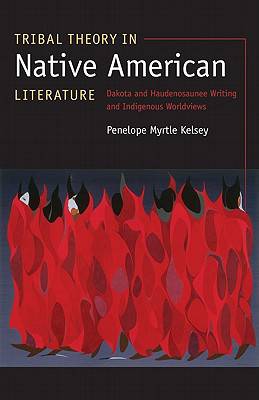
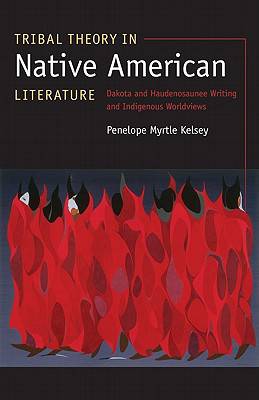
Scholars and readers continue to wrestle with how best to understand and appreciate the wealth of oral and written literatures created by the Native communities of North America. Are critical frameworks developed by non-Natives applicable across cultures, or do they reinforce colonialist power and perspectives? Is it appropriate and useful to downplay tribal differences and instead generalize about Native writing and storytelling as a whole? Focusing on Dakota writers and storytellers, Seneca critic Penelope Myrtle Kelsey offers a penetrating assessment of theory and interpretation in indigenous literary criticism in the twenty-first century. Tribal Theory in Native American Literature delineates a method for formulating a Native-centered theory or, more specifically, a use of tribal languages and their concomitant knowledges to derive a worldview or an equivalent to Western theory that is emic to indigenous worldviews. These theoretical frameworks can then be deployed to create insightful readings of Native American texts. Kelsey demonstrates this approach with a fresh look at early Dakota writers, including Marie McLaughlin, Charles Eastman, and Zitkala-Sa and later storytellers such as Elizabeth Cook-Lynn, Ella Deloria, and Philip Red Eagle. This book raises the provocative issue of how Native languages and knowledges were historically excluded from the study of Native American literature and how their encoding in early Native American texts destabilized colonial processes. Cogently argued and well researched, Tribal Theory in Native American Literature sets an agenda for indigenous literary criticism and invites scholars to confront the worlds behind the literatures that they analyze.
Specificaties
Betrokkenen
- Auteur(s):
- Uitgeverij:
Inhoud
- Aantal bladzijden:
- 192
- Taal:
- Engels
Eigenschappen
- Productcode (EAN):
- 9780803232730
- Verschijningsdatum:
- 1/01/2010
- Uitvoering:
- Paperback
- Formaat:
- Trade paperback (VS)
- Afmetingen:
- 140 mm x 216 mm
- Gewicht:
- 249 g


Alleen bij Standaard Boekhandel
+ 76 punten op je klantenkaart van Standaard Boekhandel
Cadeau

AANGERADEN


Beoordelingen
We publiceren alleen reviews die voldoen aan de voorwaarden voor reviews. Bekijk onze voorwaarden voor reviews.