


- Afhalen na 1 uur in een winkel met voorraad
- Gratis thuislevering in België vanaf € 30
- Ruim aanbod met 7 miljoen producten
- Afhalen na 1 uur in een winkel met voorraad
- Gratis thuislevering in België vanaf € 30
- Ruim aanbod met 7 miljoen producten





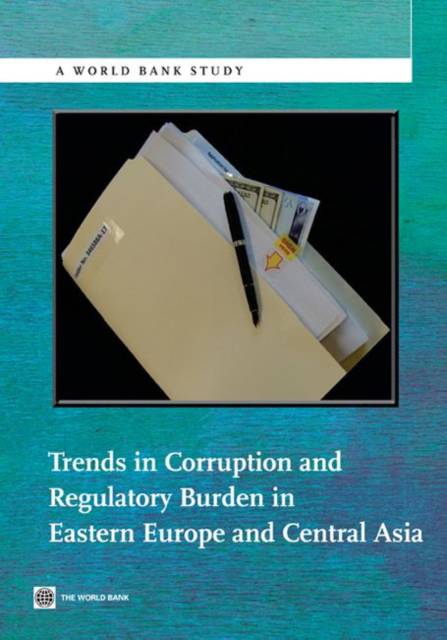
Trends in Corruption and Regulatory Burden in Eastern Europe and Central Asia
World Bank Group, World Bank
€ 25,45
+ 50 punten
Omschrijving
Historically countries of Eastern Europe and Central Asia have faced a number of obstacles in their transition to democracy and market-based economies. These obstacles include higher levels of corruption, and greater administrative and regulatory burdens as they pass laws and implement programs to combat corruption and promote private sector development. This report uses the results of the most recent Business Environment and Enterprise Performance Survey (BEEPS) to examine trends in corruption and administrative burden of regulations on private sector firms in 29 Eastern European and Central Asian countries. The results show overall positive trends in the Eastern Europe and Central Asian region in terms of incidence of corruption and the burden placed on private sector firms by administrative and other regulations. . The most notable and definitive finding from the 2008 BEEPS is a continuation in the favorable trend regarding firms' payment of administrative bribes. Across the region, there has been progress made in the perceptions of bribery and unofficial payments. Frequency of bribe-paying fell significantly in the areas of taxes, customs and imports and courts, for the region overall and in most countries. The report examines several factors that influence the level of administrative corruption, including regulatory burden, strength of anti-corruption legislation, and income (among others). Results show that countries with greater capacity to enforce and implement anti-corruption measures are less likely to have high levels of corruption and incidence of graft. The results presented in the report show that countries of Eastern Europe and Central Asia are no longer facing higher corruption or regulatory burden than firms in comparable non-transition countries.
Specificaties
Betrokkenen
- Auteur(s):
- Uitgeverij:
Inhoud
- Aantal bladzijden:
- 98
- Taal:
- Engels
- Reeks:
Eigenschappen
- Productcode (EAN):
- 9780821386712
- Verschijningsdatum:
- 14/01/2011
- Uitvoering:
- Paperback
- Formaat:
- Trade paperback (VS)
- Afmetingen:
- 178 mm x 254 mm
- Gewicht:
- 185 g



Alleen bij Standaard Boekhandel
+ 50 punten op je klantenkaart van Standaard Boekhandel
Cadeau

AANGERADEN


Beoordelingen
We publiceren alleen reviews die voldoen aan de voorwaarden voor reviews. Bekijk onze voorwaarden voor reviews.