


- Afhalen na 1 uur in een winkel met voorraad
- Gratis thuislevering in België vanaf € 30
- Ruim aanbod met 7 miljoen producten
- Afhalen na 1 uur in een winkel met voorraad
- Gratis thuislevering in België vanaf € 30
- Ruim aanbod met 7 miljoen producten





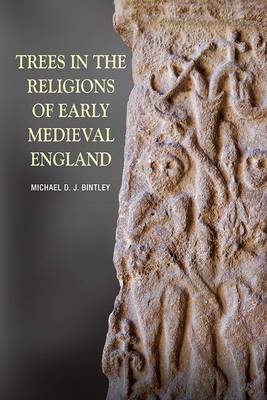
Omschrijving
Drawing on sources from archaeology and written texts, the author brings out the full significance of trees in both pagan and Christian Anglo-Saxon religion. Author won the Faculty Research Award from the Faculty of Arts and Humanities, Canterbury Christ Church University. Trees were of fundamental importance in Anglo-Saxon material culture - but they were also a powerful presence in Anglo-Saxon religion before and after the introduction of Christianity. This book shows that they remained prominent in early English Christianity, and indeed that they may have played a crucial role in mediating the transition between ancient beliefs and the new faith. It argues that certain characteristics of sacred trees in England can be determined from insular contexts alone, independent of comparative evidence from culturally related peoples. This nevertheless suggests the existence of traditions comparable to those found in Scandinavia and Germany. Tree symbolism helped early English Christians to understand how the beliefs of their ancestors about trees, posts, and pillars paralleled the appearance of similar objects in the Old Testament. In this way, the religious symbols of their forebears were aligned with precursors to the cross in Scripture. Literary evidence from England and Scandinavia similarly indicates a shared tradition of associations between the bodies of humans, trees, and other plant-life. Though potentially ancient, these ideas flourished amongst the abundance of vegetative symbolism found in the Christian tradition.
Specificaties
Betrokkenen
- Auteur(s):
- Uitgeverij:
Inhoud
- Aantal bladzijden:
- 206
- Taal:
- Engels
- Reeks:
- Reeksnummer:
- nr. 26
Eigenschappen
- Productcode (EAN):
- 9781843839897
- Verschijningsdatum:
- 19/02/2015
- Uitvoering:
- Hardcover
- Formaat:
- Genaaid
- Afmetingen:
- 156 mm x 234 mm
- Gewicht:
- 467 g


Alleen bij Standaard Boekhandel
+ 354 punten op je klantenkaart van Standaard Boekhandel
CADEAU

AANGERADEN


Beoordelingen
We publiceren alleen reviews die voldoen aan de voorwaarden voor reviews. Bekijk onze voorwaarden voor reviews.