


- Afhalen na 1 uur in een winkel met voorraad
- Gratis thuislevering in België vanaf € 30
- Ruim aanbod met 7 miljoen producten
- Afhalen na 1 uur in een winkel met voorraad
- Gratis thuislevering in België vanaf € 30
- Ruim aanbod met 7 miljoen producten





€ 16,95
+ 33 punten
Omschrijving
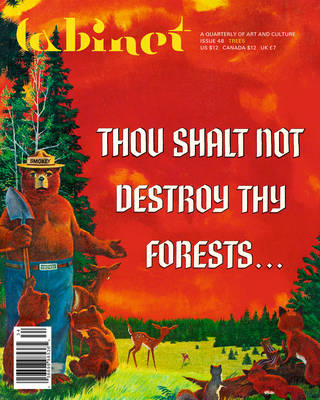
Among the largest and longest-lived of all terrestrial organisms, trees are not just an integral part of the planet's ecology, but are also a key resource in the development of civilization and a ubiquitous cultural metaphor, used to describe everything from the organization of knowledge to the structures of genetics and genealogy. Cabinet 48 features Arthur Fleming on the demise of the loneliest tree in the world; Dan Handel on Dietrich Brandis and colonial forest management in India; James Trainor on how the woods have reclaimed James Pierce's environmental artwork on Pratt Farm in Maine; and an art project by John Stoney. Elsewhere in the issue: Brian Dillon on the photographs that inspired the fantastical marine illustrations of nineteenth-century naturalist Philip Henry Gosse; Anthony Acciavatti on psychorheology, a science developed in the late 1930s to explore the psychological ramifications of tactile experience; and an interview with a member of the FBI Art Crime Team.
Specificaties
Betrokkenen
- Auteur(s):
- Uitgeverij:
Inhoud
- Aantal bladzijden:
- 112
- Taal:
- Engels
- Reeks:
- Reeksnummer:
- nr. 48
Eigenschappen
- Productcode (EAN):
- 9781932698473
- Verschijningsdatum:
- 30/04/2013
- Uitvoering:
- Paperback
- Formaat:
- Trade paperback (VS)
- Afmetingen:
- 198 mm x 246 mm
- Gewicht:
- 430 g


Alleen bij Standaard Boekhandel
+ 33 punten op je klantenkaart van Standaard Boekhandel
Cadeau

AANGERADEN


Beoordelingen
We publiceren alleen reviews die voldoen aan de voorwaarden voor reviews. Bekijk onze voorwaarden voor reviews.