


- Afhalen na 1 uur in een winkel met voorraad
- Gratis thuislevering in België vanaf € 30
- Ruim aanbod met 7 miljoen producten
- Afhalen na 1 uur in een winkel met voorraad
- Gratis thuislevering in België vanaf € 30
- Ruim aanbod met 7 miljoen producten





€ 37,95
+ 75 punten
Omschrijving
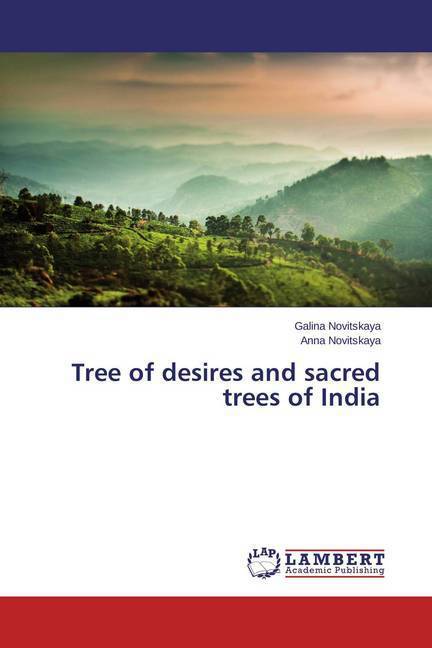
The cult of the tree is an ancient Indian cult. Hindus have worshiped trees, which are the main transmitters of solar energy in nature, due to which there were fragrant flowers, fruits, wood. Indian sages praised trees - ashvattha (ficus sacred), gular (figs), neem (azadirachta indica), bail (stone apple), ficus banyan, tree Ashoka, amla (emblika), arjuna (Terminalia) and many, many more others, that with time acquired social significance and religious sanctity. We consider 25 species and forms of trees and shrubs of India referred to in the Indian myths, legends and religious texts. Today, these species of flora of India can be seen in parks, in gardens at temples and religious centers, and even on the streets of cities and settlements.
Specificaties
Betrokkenen
- Auteur(s):
- Uitgeverij:
Inhoud
- Aantal bladzijden:
- 64
- Taal:
- Engels
Eigenschappen
- Productcode (EAN):
- 9783659798665
- Verschijningsdatum:
- 27/10/2015
- Uitvoering:
- Paperback
- Afmetingen:
- 150 mm x 220 mm
- Gewicht:
- 104 g



Alleen bij Standaard Boekhandel
+ 75 punten op je klantenkaart van Standaard Boekhandel
Cadeau

AANGERADEN


Beoordelingen
We publiceren alleen reviews die voldoen aan de voorwaarden voor reviews. Bekijk onze voorwaarden voor reviews.