


- Afhalen na 1 uur in een winkel met voorraad
- Gratis thuislevering in België vanaf € 30
- Ruim aanbod met 7 miljoen producten
- Afhalen na 1 uur in een winkel met voorraad
- Gratis thuislevering in België vanaf € 30
- Ruim aanbod met 7 miljoen producten





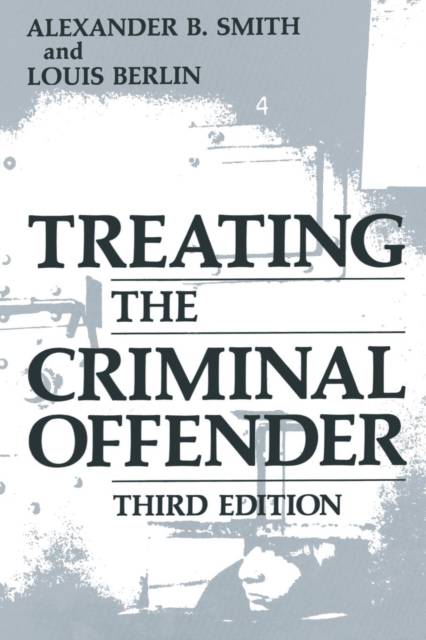
Omschrijving
The second edition of Treating the Criminal Offender was written in an atmosphere of disillusionment and severe criticism of the traditionalist ap- proach to treatment. As crime rates soared, the voices of the critics rose in volume and intensity. And so, this third edition-revised toward the end of the decade of the 1980s-embodies the shift in emphasis from rehabilitating the offender to protecting the community. This shift, in our opinion, does not reject the goal of changing the of- fender so as to effect his reintegration into society; it uses the strategy of intensive supervision and surveillance only to effect the desired goal. The use of electronics to monitor the offender's whereabouts and the swift ap- plication of punitive measures following. the awareness of any violation are extrinsic techniques of control. It is our opinion that for the deep, more lasting changes in behavior, some form of casework, counseling, and/or psy- chotherapeutic intervention is essential. We are the cohorts who believe in the effectiveness of such treatment modalities when and if applied to the right target population at the appropriate time.
Specificaties
Betrokkenen
- Auteur(s):
- Uitgeverij:
Inhoud
- Aantal bladzijden:
- 426
- Taal:
- Engels
- Reeks:
Eigenschappen
- Productcode (EAN):
- 9781489921055
- Verschijningsdatum:
- 19/06/2013
- Uitvoering:
- Paperback
- Formaat:
- Trade paperback (VS)
- Afmetingen:
- 156 mm x 234 mm
- Gewicht:
- 621 g


Alleen bij Standaard Boekhandel
+ 335 punten op je klantenkaart van Standaard Boekhandel
Cadeau

AANGERADEN


Beoordelingen
We publiceren alleen reviews die voldoen aan de voorwaarden voor reviews. Bekijk onze voorwaarden voor reviews.