


- Afhalen na 1 uur in een winkel met voorraad
- Gratis thuislevering in België vanaf € 30
- Ruim aanbod met 7 miljoen producten
- Afhalen na 1 uur in een winkel met voorraad
- Gratis thuislevering in België vanaf € 30
- Ruim aanbod met 7 miljoen producten





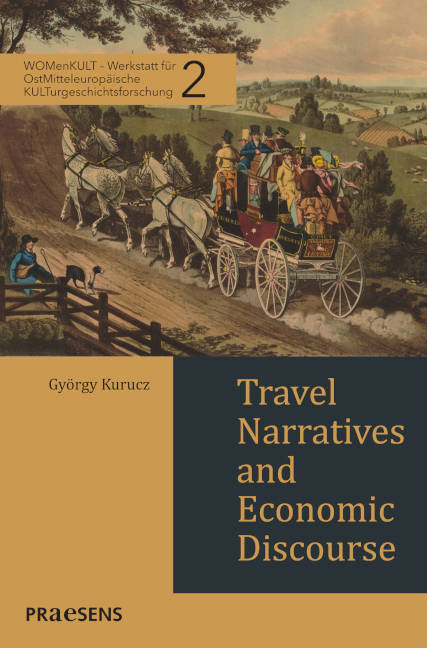
Travel Narratives and Economic Discourse
The Technological Journey of Two Hungarian Agriculturists in Western Europe in the Early Nineteenth Century
György Kurucz
€ 40,45
+ 80 punten
Omschrijving
In 1820, Count László Festetics, patron of the 'Georgicon'-an agricultural college founded in 1797 in Keszthely-commissioned two young instructors to embark on an extended study tour across Western Europe. According to the instructions issued by their patron, Pál Gerics, a physician and veterinary doctor, and József Lehrmann, a horticulturist and oenologist, were to visit the leading scholars, universities, and aristocratic model estates of the time. In line with their professional assignments, they also conducted market research throughout their journey. Their itinerary took them through Moravia, Silesia, Saxony, Prussia, and various German principalities before reaching the Low Countries and eventually crossing over to England. After several months, Lehrmann continued to France, while Gerics remained in Britain for nearly two years. They later reunited in Paris and proceeded via Switzerland and Bavaria to Italy, returning to Hungary in 1825. This volume will be of interest not only to scholars of agriculture and medicine, but also to those engaged with the cultural history of Europe, as well as with everyday life and social practices in early 19th-century Western Europe.
Specificaties
Betrokkenen
- Auteur(s):
- Uitgeverij:
Inhoud
- Taal:
- Engels
- Reeks:
- Reeksnummer:
- nr. 2
Eigenschappen
- Productcode (EAN):
- 9783706913133
- Verschijningsdatum:
- 17/06/2026
- Uitvoering:
- Paperback
- Afmetingen:
- 140 mm x 210 mm


Alleen bij Standaard Boekhandel
+ 80 punten op je klantenkaart van Standaard Boekhandel
Cadeau

AANGERADEN


Beoordelingen
We publiceren alleen reviews die voldoen aan de voorwaarden voor reviews. Bekijk onze voorwaarden voor reviews.