


- Afhalen na 1 uur in een winkel met voorraad
- Gratis thuislevering in België vanaf € 30
- Ruim aanbod met 7 miljoen producten
- Afhalen na 1 uur in een winkel met voorraad
- Gratis thuislevering in België vanaf € 30
- Ruim aanbod met 7 miljoen producten





€ 59,72
+ 119 punten
Omschrijving
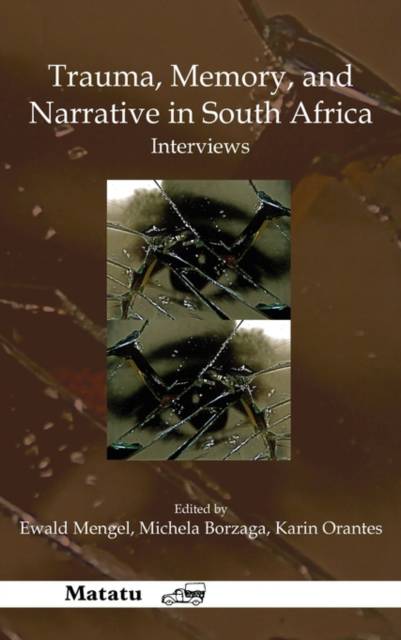
Twenty years after the fall of apartheid, South Africa is still struggling with its traumatic past. In this interdisciplinary collection of interviews, prominent South African novelists, psychologists, and academics reflect on the issues of trauma, memory, and narrative.
The authors André Brink, Maxine Case, Sindiwe Magona, Susan Mann, and Zoë Wicomb recount their personal experiences of writing about trauma, discussing its literary-aesthetic relevance and potential. The psychologists Don Foster, Ashraf Kagee, Pumla Gobodo-Madikizela, and Miriam Fredericks reflect on traditional Western conceptualizations of trauma and the need to extend and even re-write trauma theory from a postcolonial perspective. In the third part, Neville Alexander and Alex Boraine look back on the achievements and shortcomings of the Truth and Reconciliation Commission, describe the state of the nation, and underscore the need to relocate trauma structurally and historically. Annie Gagiano, Helen Moffett, Tlhalo Raditlhalo, and Chris van der Merwe show how trauma theory can open new horizons and create a new vocabulary for literary criticism by tackling issues of gender, representation, and genre.
All in all, these interviews provide fascinating insights into the present state of the South African soul, its current hopes and anxieties. Rather than claiming final answers to a complex and controversial issue, this volume aims at opening up debate and making a contribution to the already existing discussion about trauma in the South African context.
The authors André Brink, Maxine Case, Sindiwe Magona, Susan Mann, and Zoë Wicomb recount their personal experiences of writing about trauma, discussing its literary-aesthetic relevance and potential. The psychologists Don Foster, Ashraf Kagee, Pumla Gobodo-Madikizela, and Miriam Fredericks reflect on traditional Western conceptualizations of trauma and the need to extend and even re-write trauma theory from a postcolonial perspective. In the third part, Neville Alexander and Alex Boraine look back on the achievements and shortcomings of the Truth and Reconciliation Commission, describe the state of the nation, and underscore the need to relocate trauma structurally and historically. Annie Gagiano, Helen Moffett, Tlhalo Raditlhalo, and Chris van der Merwe show how trauma theory can open new horizons and create a new vocabulary for literary criticism by tackling issues of gender, representation, and genre.
All in all, these interviews provide fascinating insights into the present state of the South African soul, its current hopes and anxieties. Rather than claiming final answers to a complex and controversial issue, this volume aims at opening up debate and making a contribution to the already existing discussion about trauma in the South African context.
Specificaties
Betrokkenen
- Auteur(s):
- Uitgeverij:
Inhoud
- Aantal bladzijden:
- 256
- Taal:
- Engels
- Reeks:
- Reeksnummer:
- nr. 38
Eigenschappen
- Productcode (EAN):
- 9789042031029
- Verschijningsdatum:
- 1/01/2010
- Uitvoering:
- Hardcover
- Formaat:
- Genaaid
- Afmetingen:
- 155 mm x 234 mm
- Gewicht:
- 576 g


Alleen bij Standaard Boekhandel
+ 119 punten op je klantenkaart van Standaard Boekhandel
Cadeau

AANGERADEN


Beoordelingen
We publiceren alleen reviews die voldoen aan de voorwaarden voor reviews. Bekijk onze voorwaarden voor reviews.