


- Afhalen na 1 uur in een winkel met voorraad
- Gratis thuislevering in België vanaf € 30
- Ruim aanbod met 7 miljoen producten
- Afhalen na 1 uur in een winkel met voorraad
- Gratis thuislevering in België vanaf € 30
- Ruim aanbod met 7 miljoen producten





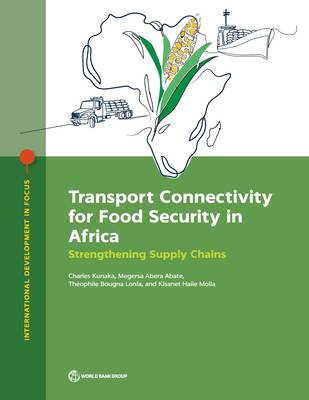
Transport Connectivity for Food Security in Africa
Strengthening Supply Chains
Charles Kunaka, Megersa Abera Abate, Théophile Bougna Lonla
€ 62,45
+ 124 punten
Omschrijving
Food insecurity is a persistent global problem affecting hundreds of millions of people each year. Transport Connectivity for Food Security in Africa: Strengthening Supply Chains confirms the complexity of the problem and focuses on the transport dimension to its resolution. The book explores critical links between transport, logistics, and food security in Africa, with the goal of enhancing the resilience of food systems. The book relies on a World Bank in-house Freight Flow and Transport Choice Model (FlowMax) to analyze the supply chains of key food commodities in Africa. It explores how transport deficiencies affect food production, distribution, and imports and, ultimately, food security. It is the first of its kind to answer six questions that are often asked in relation to food security on the continent: 1. Why does Africa have a "long food supply chain"? 2. How can regional economic blocks facilitate a more efficient exchange of food between countries? 3. What impedes the distribution of food within countries? 4. Does Africa have a transport infrastructure problem that impacts the food supply chain? 5. Do market distortions in transport services contribute to high costs of food in Africa? 6. What hampers investment in storage as one of the ingredients to the weaknesses of food supply chains on the continent? Using the FlowMax model, the book identifies weaknesses and opportunities for improvement along the entire food supply chain, from local production and consumption to international linkages, aiming for more resilient food systems. Recommendations focus on fostering international network connectivity, increasing regional integration, strengthening domestic logistics, and improving access to markets.
Specificaties
Betrokkenen
- Auteur(s):
- Uitgeverij:
Inhoud
- Aantal bladzijden:
- 172
- Taal:
- Engels
- Reeks:
Eigenschappen
- Productcode (EAN):
- 9781464822315
- Verschijningsdatum:
- 6/06/2025
- Uitvoering:
- Paperback
- Formaat:
- Trade paperback (VS)
- Afmetingen:
- 216 mm x 279 mm
- Gewicht:
- 562 g


Alleen bij Standaard Boekhandel
+ 124 punten op je klantenkaart van Standaard Boekhandel
Cadeau

AANGERADEN


Beoordelingen
We publiceren alleen reviews die voldoen aan de voorwaarden voor reviews. Bekijk onze voorwaarden voor reviews.