


- Afhalen na 1 uur in een winkel met voorraad
- Gratis thuislevering in België vanaf € 30
- Ruim aanbod met 7 miljoen producten
- Afhalen na 1 uur in een winkel met voorraad
- Gratis thuislevering in België vanaf € 30
- Ruim aanbod met 7 miljoen producten





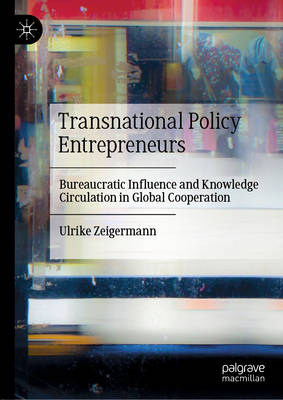
Transnational Policy Entrepreneurs
Bureaucratic Influence and Knowledge Circulation in Global Cooperation
Ulrike Zeigermann
Hardcover | Engels
€ 54,45
+ 108 punten
Uitvoering
Omschrijving
This book explains how transnational policy entrepreneurs have contributed to the transfer of the contested concept of ‘Policy Coherence for Sustainable Development’ (PCSD) in global policy.
Specificaties
Betrokkenen
- Auteur(s):
- Uitgeverij:
Inhoud
- Aantal bladzijden:
- 289
- Taal:
- Engels
Eigenschappen
- Productcode (EAN):
- 9783030448929
- Verschijningsdatum:
- 17/05/2020
- Uitvoering:
- Hardcover
- Afmetingen:
- 157 mm x 23 mm
- Gewicht:
- 526 g


Alleen bij Standaard Boekhandel
+ 108 punten op je klantenkaart van Standaard Boekhandel
Cadeau

AANGERADEN


Beoordelingen
We publiceren alleen reviews die voldoen aan de voorwaarden voor reviews. Bekijk onze voorwaarden voor reviews.