


- Afhalen na 1 uur in een winkel met voorraad
- Gratis thuislevering in België vanaf € 30
- Ruim aanbod met 7 miljoen producten
- Afhalen na 1 uur in een winkel met voorraad
- Gratis thuislevering in België vanaf € 30
- Ruim aanbod met 7 miljoen producten





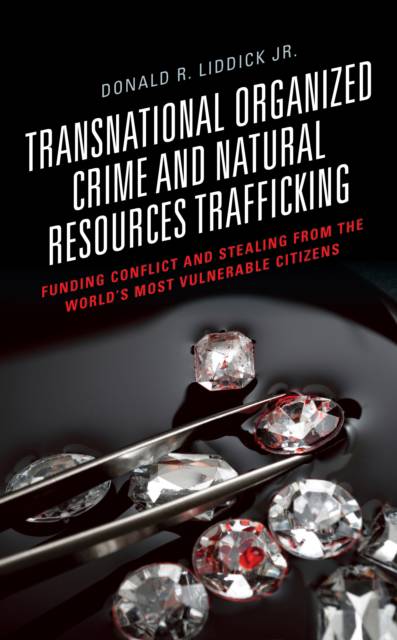
Transnational Organized Crime and Natural Resources Trafficking
Funding Conflict and Stealing from the World's Most Vulnerable Citizens
Donald R Liddick Jr
Paperback | Engels
€ 79,95
+ 159 punten
Eenvoudig bestellen
Veilig betalen


Gratis thuislevering vanaf € 30 (via bpost)
Gratis levering in je Standaard Boekhandel
Omschrijving
This book describes and analyzes conflict commodities, which the author defines as "high-value commodities trafficked in by networks of transnational criminals who use the illicitly derived proceeds to finance armed conflict and loot natural resource wealth from national treasuries." Each chapter examines a different commodity or set of commodities that have become the province of transnational organized crime networks: diamonds, ivory, rhino horn, timber, lapis lazuli, jade, rare minerals, gold, and oil receive scholarly analyses across multiple dimensions, including the structure and operation of criminal networks, the social and environmental consequences of the various conflict commodities trades, and the full range of palliative responses. The book provides coverage of all the players involved, from high-ranking government officials to insurgent groups and terrorists. The work also enumerates the array of human rights abuses associated with the traffic in conflict commodities
Specificaties
Betrokkenen
- Auteur(s):
- Uitgeverij:
Inhoud
- Aantal bladzijden:
- 228
- Taal:
- Engels
Eigenschappen
- Productcode (EAN):
- 9781498578332
- Verschijningsdatum:
- 15/07/2021
- Uitvoering:
- Paperback
- Formaat:
- Trade paperback (VS)
- Afmetingen:
- 152 mm x 229 mm
- Gewicht:
- 340 g


Alleen bij Standaard Boekhandel
+ 159 punten op je klantenkaart van Standaard Boekhandel
CADEAU

AANGERADEN


Beoordelingen
We publiceren alleen reviews die voldoen aan de voorwaarden voor reviews. Bekijk onze voorwaarden voor reviews.