


- Afhalen na 1 uur in een winkel met voorraad
- Gratis thuislevering in België vanaf € 30
- Ruim aanbod met 7 miljoen producten
- Afhalen na 1 uur in een winkel met voorraad
- Gratis thuislevering in België vanaf € 30
- Ruim aanbod met 7 miljoen producten





€ 256,95
+ 513 punten
Omschrijving
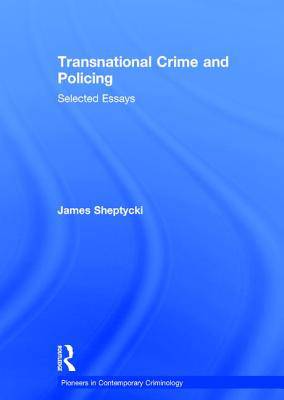
This collection of essays on transnational crime and policing covers a broad range of themes: the relationship between global policing and the transnational-state-system; the impact of advanced technologies on policing practice; the changing morphology of occupational policing subculture; and the transnational practices of police agencies. The essays include case studies and are based on empirical fieldwork that began in the early 1990s and continued for over a decade well into the post 9-11 period. This collection also provides valuable accounts of the 'secret social world' of transnational police, demonstrates that the developmental trajectory of transnational practices was already established prior to the 'age of Homeland Security' and addresses the controversial issue of how transnational policing in all of its complex manifestations might be made politically accountable in the interests of the general global commonwealth.
Specificaties
Betrokkenen
- Auteur(s):
- Uitgeverij:
Inhoud
- Aantal bladzijden:
- 370
- Taal:
- Engels
- Reeks:
Eigenschappen
- Productcode (EAN):
- 9780754629252
- Verschijningsdatum:
- 28/10/2011
- Uitvoering:
- Hardcover
- Formaat:
- Genaaid
- Afmetingen:
- 168 mm x 245 mm
- Gewicht:
- 929 g


Alleen bij Standaard Boekhandel
+ 513 punten op je klantenkaart van Standaard Boekhandel
Cadeau

AANGERADEN


Beoordelingen
We publiceren alleen reviews die voldoen aan de voorwaarden voor reviews. Bekijk onze voorwaarden voor reviews.