


- Afhalen na 1 uur in een winkel met voorraad
- Gratis thuislevering in België vanaf € 30
- Ruim aanbod met 7 miljoen producten
- Afhalen na 1 uur in een winkel met voorraad
- Gratis thuislevering in België vanaf € 30
- Ruim aanbod met 7 miljoen producten





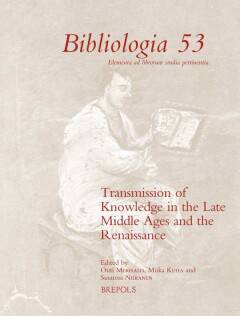
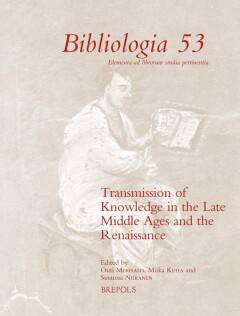
Transmission of Knowledge in the Late Middle Ages and the Renaissance
Outi Merisalo
€ 95,40
+ 190 punten
Omschrijving
The nineteenth century saw the rapid development of textual criticism for establishing the best and most authentic forms of both Ancient and Mediaeval texts thanks to the method perfected by Karl Lachmann, who based himself on the insights gained during the eighteenth century. Lachmann's method has been further refined by later philologists, with, most interestingly, the use of computers in establishing the mutual relations of manuscript witnesses since the last decades of the twentieth century. However, the interest in what form the texts, both Ancient and Mediaeval, were actually circulating in the Late Middle Ages and in the Renaissance, has been slow to emerge as an area of scholarly interest. In other words: what did the readers actually get in front of their eyes, and acted upon as, say, doctors, historians, theologians between the thirteenth and sixteenth centuries? This volume explores the Late Medieval and Renaissance transmission of texts of different genres, languages and periods from the book historical point of view, taking into consideration not only the textual but also the material aspect of the traditions. The authors include eminent specialists as well as mid- and early career scholars.
Specificaties
Betrokkenen
- Auteur(s):
- Uitgeverij:
Inhoud
- Aantal bladzijden:
- 239
- Taal:
- Engels
- Reeks:
- Reeksnummer:
- nr. 53
Eigenschappen
- Productcode (EAN):
- 9782503581569
- Verschijningsdatum:
- 13/06/2019
- Uitvoering:
- Paperback
- Formaat:
- Trade paperback (VS)
- Afmetingen:
- 216 mm x 277 mm
- Gewicht:
- 884 g


Alleen bij Standaard Boekhandel
+ 190 punten op je klantenkaart van Standaard Boekhandel
Cadeau

AANGERADEN


Beoordelingen
We publiceren alleen reviews die voldoen aan de voorwaarden voor reviews. Bekijk onze voorwaarden voor reviews.