


- Afhalen na 1 uur in een winkel met voorraad
- Gratis thuislevering in België vanaf € 30
- Ruim aanbod met 7 miljoen producten
- Afhalen na 1 uur in een winkel met voorraad
- Gratis thuislevering in België vanaf € 30
- Ruim aanbod met 7 miljoen producten




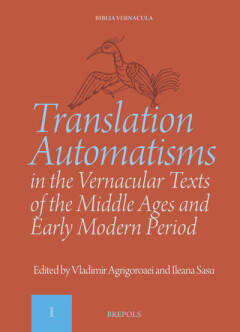
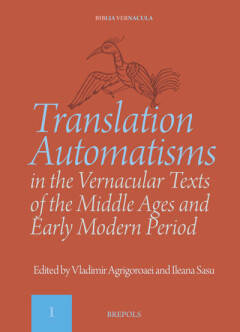
Translation Automatisms in the Vernacular Texts of the Middle Ages and Early Modern Period
Vladimir Agrigoroaei
€ 116,60
+ 233 punten
Omschrijving
The volume deals with the issue of translation automatisms in early vernacular texts (before 1650), focusing on the novel concept of 'translation clusters', first defined in machine translation theory, but equally considering a wider array of situations that involve 'translation units', 'language automatisms', 'culturemes', and 'formulaic borrowings' in vernacular texts. Contrary to contemporary languages, where translation units, clusters, and automatisms appear frequently, due to the commanding effect of standard language varieties or dialects, the vernacular idioms of the Middle Ages and Early Modern period are often pluricentric, thus restricting the presence of automatisms to a string of particular cases wherein diachronic, diatopic, diastratic, and diaphasic variants align in a similar manner in two otherwise different translations. This is a fundamental topic for philology, as it can explain accidents that ecdotic methods tend to mistake for variant readings of a single 'redactio'. The volume aims to determine the organic interplay between three main situations in which common coincidences between translations or texts occur: 1) what is common to two or more translations or adaptations as a result of a transfer of textual units from one text to another (quotations, diorthoses, formulas); 2) what is common because of the existence of a common source text (translation clusters, based on translation units); 3) what is simply fixed, innate, and unchangeable in the target language (language automatisms, often coinciding with translation units as well). Its chapters will be declined focusing on several dozens of vernacular languages and even more case studies, the majority of which deal with biblical translation, one of the main points of origin for contemporary translation studies as well. The format of the chapters will encourage divergent points of view, in order to push the boundaries of philology, translation studies, and 'vernacular theologies'.
Specificaties
Betrokkenen
- Auteur(s):
- Uitgeverij:
Inhoud
- Aantal bladzijden:
- 528
- Taal:
- Engels
- Reeks:
- Reeksnummer:
- nr. 1
Eigenschappen
- Productcode (EAN):
- 9782503600338
- Verschijningsdatum:
- 30/11/2023
- Uitvoering:
- Paperback
- Formaat:
- Trade paperback (VS)
- Gewicht:
- 172 g


Alleen bij Standaard Boekhandel
+ 233 punten op je klantenkaart van Standaard Boekhandel
CADEAU

AANGERADEN


Beoordelingen
We publiceren alleen reviews die voldoen aan de voorwaarden voor reviews. Bekijk onze voorwaarden voor reviews.