


- Afhalen na 1 uur in een winkel met voorraad
- Gratis thuislevering in België vanaf € 30
- Ruim aanbod met 7 miljoen producten
- Afhalen na 1 uur in een winkel met voorraad
- Gratis thuislevering in België vanaf € 30
- Ruim aanbod met 7 miljoen producten




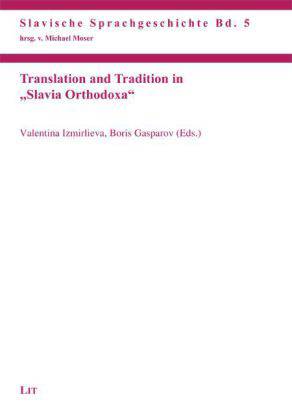
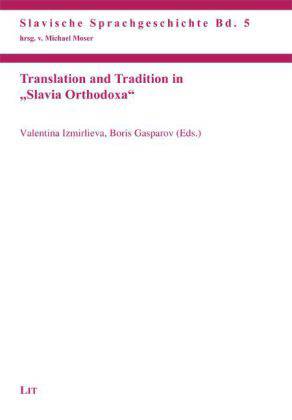
Translation and Tradition in "Slavia Orthodoxa"
€ 24,95
+ 49 punten
Omschrijving
Both Old Church Slavonic and the written culture of the Orthodox Slavs began with translations. In the Slavic beginning, we may say, was a word translated, a word in transit, moved by the effort to "make Slavic" the Greek logos of Scripture and liturgical books. Translating texts remained a central cultural practice for the Orthodox Slavs throughout the medieval period. The volume brings together some of the most prominent medievalists in the Slavic field from Europe, Israel, and the United States. The authors reflect on translation as a transposition of textual, spiritual and political authority, andconsider it in a continuum with other strategies for appropriating an authoritative text.
Specificaties
Betrokkenen
- Uitgeverij:
Inhoud
- Aantal bladzijden:
- 200
- Taal:
- Engels
- Reeks:
- Reeksnummer:
- nr. 5
Eigenschappen
- Productcode (EAN):
- 9783643900821
- Uitvoering:
- Paperback
- Afmetingen:
- 165 mm x 235 mm
- Gewicht:
- 330 g

Alleen bij Standaard Boekhandel
+ 49 punten op je klantenkaart van Standaard Boekhandel
Cadeau

AANGERADEN


Beoordelingen
We publiceren alleen reviews die voldoen aan de voorwaarden voor reviews. Bekijk onze voorwaarden voor reviews.