


- Afhalen na 1 uur in een winkel met voorraad
- Gratis thuislevering in België vanaf € 30
- Ruim aanbod met 7 miljoen producten
- Afhalen na 1 uur in een winkel met voorraad
- Gratis thuislevering in België vanaf € 30
- Ruim aanbod met 7 miljoen producten





€ 58,30
+ 116 punten
Eenvoudig bestellen
Veilig betalen


Gratis thuislevering vanaf € 30 (via bpost)
Gratis levering in je Standaard Boekhandel
Omschrijving
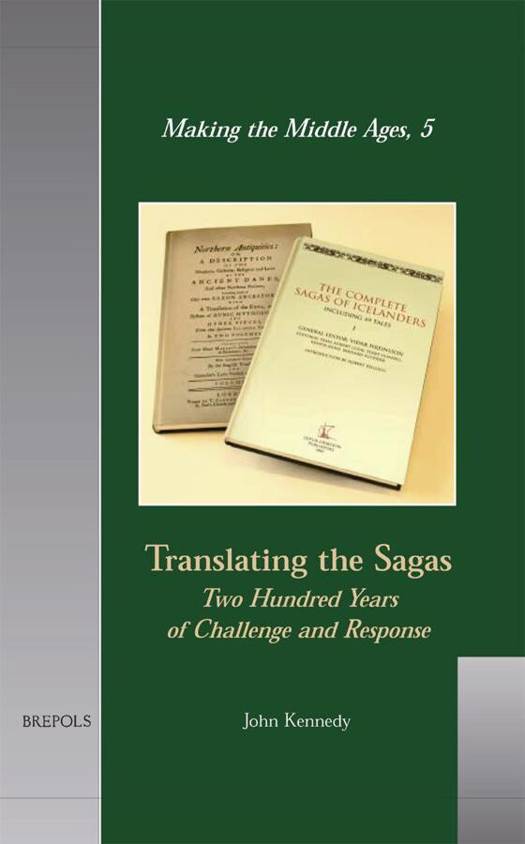
Few speakers of English have ever been able to read the Icelandic sagas in the original language, and published saga translations have played a major role in shaping attitudes towards Viking Age Scandinavia and the great literary achievements of medieval Iceland in the English-speaking world. This book is the first publication to provide an extended examination of the history and development of Icelandic saga translations into English from their beginnings in the eighteenth century to today. It explores reasons for undertaking saga translation, and the challenges confronting translators. Chapters are devoted to the pioneering saga translations, the later Victorian and Edwardian eras, the often-neglected period of the two World Wars and their aftermath, and the upsurge of saga translation in the second half of the twentieth century. The contributions of individual translators and teams are reviewed, from James Johnstone in the 1780s through major Victorians such as Samuel Laing, George Webbe Dasent, and William Morris, distinguished twentieth century figures such as Lee M. Hollander, Gwyn Jones, Magnus Magnusson and Hermann Palsson, and George Johnston, and the great co-operative project which produced The Complete Sagas of Icelanders at the century's end. The book concludes with saga translation facing interesting new possibilities and challenges, not least those generated by information technology.
Specificaties
Betrokkenen
- Auteur(s):
- Uitgeverij:
Inhoud
- Aantal bladzijden:
- 221
- Taal:
- Engels
- Reeks:
- Reeksnummer:
- nr. 5
Eigenschappen
- Productcode (EAN):
- 9782503507729
- Verschijningsdatum:
- 17/09/2007
- Uitvoering:
- Hardcover
- Formaat:
- Genaaid
- Afmetingen:
- 165 mm x 244 mm
- Gewicht:
- 566 g


Alleen bij Standaard Boekhandel
+ 116 punten op je klantenkaart van Standaard Boekhandel
CADEAU

AANGERADEN


Beoordelingen
We publiceren alleen reviews die voldoen aan de voorwaarden voor reviews. Bekijk onze voorwaarden voor reviews.