


- Afhalen na 1 uur in een winkel met voorraad
- Gratis thuislevering in België vanaf € 30
- Ruim aanbod met 7 miljoen producten
- Afhalen na 1 uur in een winkel met voorraad
- Gratis thuislevering in België vanaf € 30
- Ruim aanbod met 7 miljoen producten





€ 390,45
+ 780 punten
Uitvoering
Omschrijving
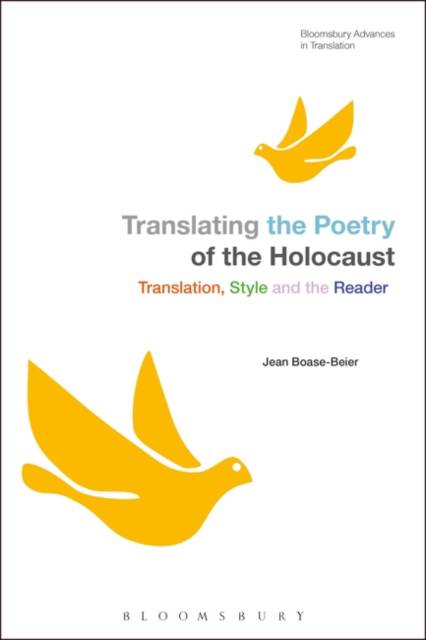
Taking a cognitive approach, this book asks what poetry, and in particular Holocaust poetry, does to the reader - and to what extent the translation of this poetry can have the same effects. It is informed by current theoretical discussion and features many practical examples.
Holocaust poetry differs from other genres of writing about the Holocaust in that it is not so much concerned to document facts as to document feelings and the sense of an experience. It shares the potential of all poetry to have profound effects on the thoughts and feelings of the reader.
This book examines how the openness to engagement that Holocaust poetry can engender, achieved through stylistic means, needs to be preserved in translation if the translated poem is to function as a Holocaust poem in any meaningful sense. This is especially true when historical and cultural distance intervenes. The first book of its kind and by a world-renowned scholar and translator, this is required reading.
Holocaust poetry differs from other genres of writing about the Holocaust in that it is not so much concerned to document facts as to document feelings and the sense of an experience. It shares the potential of all poetry to have profound effects on the thoughts and feelings of the reader.
This book examines how the openness to engagement that Holocaust poetry can engender, achieved through stylistic means, needs to be preserved in translation if the translated poem is to function as a Holocaust poem in any meaningful sense. This is especially true when historical and cultural distance intervenes. The first book of its kind and by a world-renowned scholar and translator, this is required reading.
Specificaties
Betrokkenen
- Auteur(s):
- Uitgeverij:
Inhoud
- Aantal bladzijden:
- 192
- Taal:
- Engels
- Reeks:
Eigenschappen
- Productcode (EAN):
- 9781441139528
- Verschijningsdatum:
- 16/07/2015
- Uitvoering:
- Hardcover
- Formaat:
- Genaaid
- Afmetingen:
- 157 mm x 236 mm
- Gewicht:
- 453 g


Alleen bij Standaard Boekhandel
+ 780 punten op je klantenkaart van Standaard Boekhandel
Cadeau

AANGERADEN


Beoordelingen
We publiceren alleen reviews die voldoen aan de voorwaarden voor reviews. Bekijk onze voorwaarden voor reviews.