


- Afhalen na 1 uur in een winkel met voorraad
- Gratis thuislevering in België vanaf € 30
- Ruim aanbod met 7 miljoen producten
- Afhalen na 1 uur in een winkel met voorraad
- Gratis thuislevering in België vanaf € 30
- Ruim aanbod met 7 miljoen producten





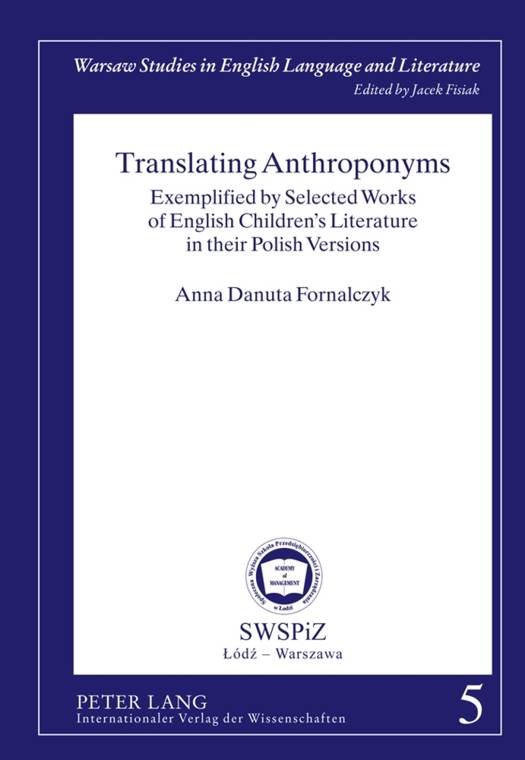
Translating Anthroponyms
Exemplified by Selected Works of English Children's Literature in Their Polish Versions
Anna Danuta Fornalczyk
€ 79,45
+ 158 punten
Omschrijving
The subject of the present book are literary anthroponyms and their translation. The examples, taken from English children's literature of the Victorian and Edwardian period, show that literary names are usually motivated and linked to their bearers, therefore it is necessary to investigate them in terms of their meaning, functions and role as narrative elements. The study focuses on how anthroponyms function in the context of the narrative, situation and culture, and shows similarities and differences between the name systems of the original and the translation. Also, it gives an overview of a larger number of anthroponyms, focusing on translation techniques used for various name categories. The author also discusses time-related tendencies in the translation of anthroponyms.
Specificaties
Betrokkenen
- Auteur(s):
- Uitgeverij:
Inhoud
- Aantal bladzijden:
- 262
- Taal:
- Engels
- Reeks:
- Reeksnummer:
- nr. 5
Eigenschappen
- Productcode (EAN):
- 9783631630983
- Verschijningsdatum:
- 19/11/2011
- Uitvoering:
- Hardcover
- Formaat:
- Genaaid
- Afmetingen:
- 148 mm x 210 mm
- Gewicht:
- 439 g


Alleen bij Standaard Boekhandel
+ 158 punten op je klantenkaart van Standaard Boekhandel
Cadeau

AANGERADEN


Beoordelingen
We publiceren alleen reviews die voldoen aan de voorwaarden voor reviews. Bekijk onze voorwaarden voor reviews.