


- Afhalen na 1 uur in een winkel met voorraad
- Gratis thuislevering in België vanaf € 30
- Ruim aanbod met 7 miljoen producten
- Afhalen na 1 uur in een winkel met voorraad
- Gratis thuislevering in België vanaf € 30
- Ruim aanbod met 7 miljoen producten





€ 209,45
+ 418 punten
Eenvoudig bestellen
Veilig betalen


Gratis thuislevering vanaf € 30 (via bpost)
Gratis levering in je Standaard Boekhandel
Omschrijving
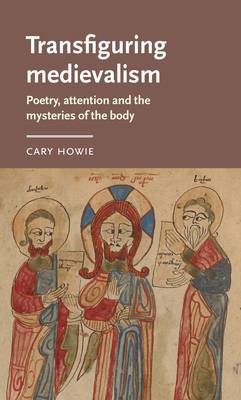
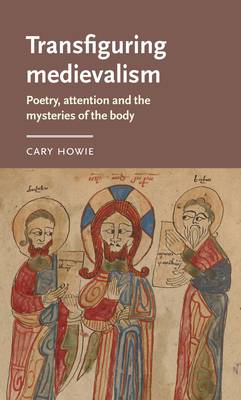
Transfiguring medievalism combines medieval literature, modern poetry and theology to explore how bodies, including literary bodies, can become apparent to the attentive eye as more than they first appear. Transfiguration, traditionally understood as the revelation of divinity in community, becomes a figure for those splendors, mundane and divine, that await within the read, lived and loved world. Bringing together medieval sources with modern lyric medievalism, the book argues for the porousness of time and flesh, not only through the accustomed cadences of scholarly argumentation but also through its own moments of poetic reflection. In this way, Augustine, Cassian, Bernard of Clairvaux, Dante, Boccaccio and the heroes of Old French narrative, no more or less than their modern lyric counterparts, come to light in new and newly complicated ways.
Specificaties
Betrokkenen
- Auteur(s):
- Uitgeverij:
Inhoud
- Aantal bladzijden:
- 208
- Taal:
- Engels
- Reeks:
Eigenschappen
- Productcode (EAN):
- 9781526148650
- Verschijningsdatum:
- 10/12/2020
- Uitvoering:
- Hardcover
- Formaat:
- Genaaid
- Afmetingen:
- 140 mm x 216 mm
- Gewicht:
- 385 g


Alleen bij Standaard Boekhandel
+ 418 punten op je klantenkaart van Standaard Boekhandel
CADEAU

AANGERADEN


Beoordelingen
We publiceren alleen reviews die voldoen aan de voorwaarden voor reviews. Bekijk onze voorwaarden voor reviews.