


- Afhalen na 1 uur in een winkel met voorraad
- Gratis thuislevering in België vanaf € 30
- Ruim aanbod met 7 miljoen producten
- Afhalen na 1 uur in een winkel met voorraad
- Gratis thuislevering in België vanaf € 30
- Ruim aanbod met 7 miljoen producten





€ 48,45
+ 96 punten
Omschrijving
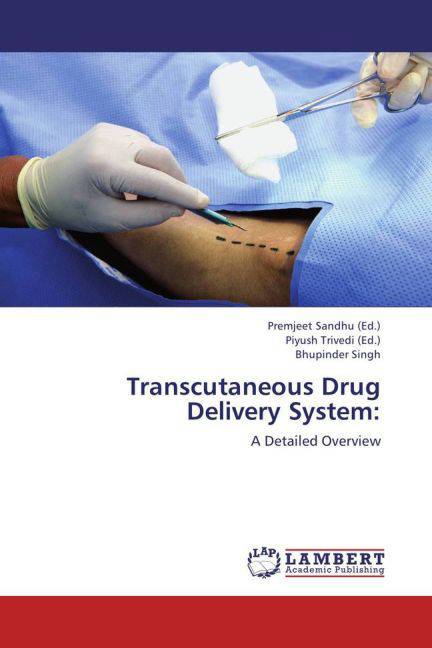
Transcutaneous drug delivery has many theoretical and practical advantage and disadvantages, and such issues are often a concern for both clinicians and patients. Transcutaneous patches are flexible pharmaceutical preparations of varying sizes, containing one or more active ingredient, intended to be applied to the unbroken skin in order to deliver the active ingredient to the systemic circulation after passing through the skin barriers. A transcutaneous patch or skin patch is a medicated adhesive patch that is placed on the skin to deliver a specific dose of medication through the skin into the bloodstream.Often, this promotes healing to an injured area of the body. In this method, the drug enters the bloodstream directly through skin and it avoid absorption and first pass effect. The drugs that have made it into the transdermal market include scopolamine, nitroglycerine, nicotine, clonidine, fantanyl, estradiol, testosterone, lidocaine, and oxybutinin . Recent additions to this list include lidocaine-tetracaine, selegiline, methyl phenidate, and rotigotine. However, the future focus is production of transdermal systems capable of delivering peptides,proteins including insuline.
Specificaties
Betrokkenen
- Auteur(s):
- Uitgeverij:
Inhoud
- Aantal bladzijden:
- 68
- Taal:
- Engels
Eigenschappen
- Productcode (EAN):
- 9783659223662
- Verschijningsdatum:
- 6/09/2012
- Uitvoering:
- Paperback
- Afmetingen:
- 152 mm x 220 mm
- Gewicht:
- 113 g


Alleen bij Standaard Boekhandel
+ 96 punten op je klantenkaart van Standaard Boekhandel
Cadeau

AANGERADEN


Beoordelingen
We publiceren alleen reviews die voldoen aan de voorwaarden voor reviews. Bekijk onze voorwaarden voor reviews.