



- Afhalen na 1 uur in een winkel met voorraad
- In januari gratis thuislevering in België
- Ruim aanbod met 7 miljoen producten
- Afhalen na 1 uur in een winkel met voorraad
- In januari gratis thuislevering in België
- Ruim aanbod met 7 miljoen producten





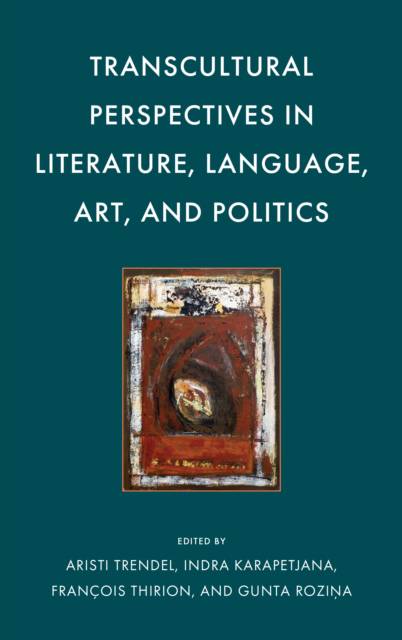
Transcultural Perspectives in Literature, Language, Art, and Politics
€ 175,95
+ 351 punten
Omschrijving
Transcultural Perspectives in Literature, Language, Art, and Politics is a contribution to the field of transcultural studies that has been gaining ground since the turn of the twentieth century. Embracing the transcultural lens in the humanities and social sciences, it demonstrates how the relevance, necessity and wide range of this approach can better enhance our understanding of the contemporary world as well as the past. Though all the contributors have a humanities background, they work in different research fields such as literary studies, linguistics, translation studies, cinema, or intellectual history, and use a variety of theoretical frames. A transdisciplinary framework also seems to be the most practical one to meet the challenges that transcultural phenomena and developments present. In sixteen chapters organized in five sections (literature, translation and linguistics, cinema, communication and politics), the volume explores the dynamics of transculturality at a micro and macro level, its benefits and limits. These studies suggest that transculturality is not only used as an intellectual working tool but also as an identity in motion that may represent a glimmer of hope in a world that seems to be in the throes of unreason and on the brink of self-induced destruction.
Specificaties
Betrokkenen
- Uitgeverij:
Inhoud
- Aantal bladzijden:
- 264
- Taal:
- Engels
- Reeks:
Eigenschappen
- Productcode (EAN):
- 9781666955996
- Verschijningsdatum:
- 15/03/2025
- Uitvoering:
- Hardcover
- Formaat:
- Genaaid
- Afmetingen:
- 152 mm x 229 mm
- Gewicht:
- 539 g


Alleen bij Standaard Boekhandel
+ 351 punten op je klantenkaart van Standaard Boekhandel
Cadeau

AANGERADEN


Beoordelingen
We publiceren alleen reviews die voldoen aan de voorwaarden voor reviews. Bekijk onze voorwaarden voor reviews.