



Bedankt voor het vertrouwen het afgelopen jaar! Om jou te bedanken bieden we GRATIS verzending (in België) aan op alles gedurende de hele maand januari.
- Afhalen na 1 uur in een winkel met voorraad
- In januari gratis thuislevering in België
- Ruim aanbod met 7 miljoen producten
Bedankt voor het vertrouwen het afgelopen jaar! Om jou te bedanken bieden we GRATIS verzending (in België) aan op alles gedurende de hele maand januari.
- Afhalen na 1 uur in een winkel met voorraad
- In januari gratis thuislevering in België
- Ruim aanbod met 7 miljoen producten





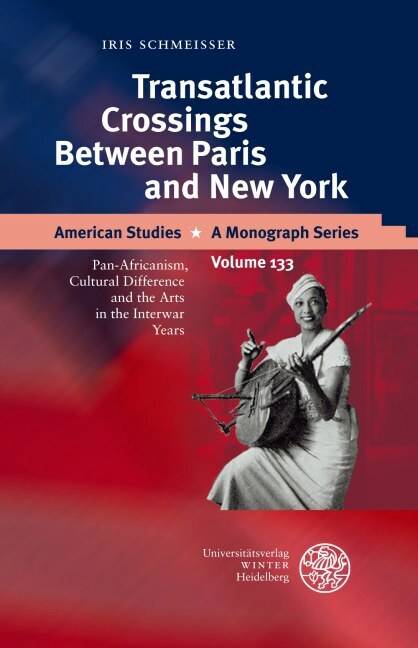
Transatlantic Crossings Between Paris and New York
Pan-Africanism, Cultural Difference and the Arts in the Interwar Years
Iris Schmeisser
€ 44,45
+ 88 punten
Omschrijving
How was the question of black cultural difference and identity negotiated among and between black cultural and political organizations in Paris and Harlem? How were concepts of black cultural difference - the idea of what distiguished black expressive culture and what constituted the originality of a black aesthetic - absorbed and articulated by the white artistic avantgarde and the primitivist modernist styles and themes they created? How was knowledge about African culture and 'African otherness' visually represented in the discourse of French colonial ethnography and colonial art? This study addresses the dynamics of transatlantic cultural exchange, concretely the international transfer and mediation of images and ideas about black culture in two artistic metropolises - New York and Paris - in the interwar years. These transatlantic crossings and the confluences are analyzed within a postcolonial framework, they are considered as responses to and as consequences of two related and hence intersecting formations of power: racism and colonialism and their political, social, epistemological and finally, cultural dimensions in the United States and France. Proceeding from the historical significance of race, this study links up the discourses of primitivist modernism, jazz, Africanist ethnography and art, the Harlem Renaissance and Negritude, a complex and ambivalent connection neglected until recently in contemporary scholarship.
Specificaties
Betrokkenen
- Auteur(s):
- Uitgeverij:
Inhoud
- Aantal bladzijden:
- 376
- Taal:
- Engels
- Reeks:
- Reeksnummer:
- nr. 133
Eigenschappen
- Productcode (EAN):
- 9783825351281
- Verschijningsdatum:
- 10/01/2006
- Uitvoering:
- Hardcover
- Formaat:
- Genaaid
- Afmetingen:
- 135 mm x 211 mm
- Gewicht:
- 624 g



Alleen bij Standaard Boekhandel
+ 88 punten op je klantenkaart van Standaard Boekhandel
SOLDEN


Beoordelingen
We publiceren alleen reviews die voldoen aan de voorwaarden voor reviews. Bekijk onze voorwaarden voor reviews.