


- Afhalen na 1 uur in een winkel met voorraad
- Gratis thuislevering in België vanaf € 30
- Ruim aanbod met 7 miljoen producten
- Afhalen na 1 uur in een winkel met voorraad
- Gratis thuislevering in België vanaf € 30
- Ruim aanbod met 7 miljoen producten





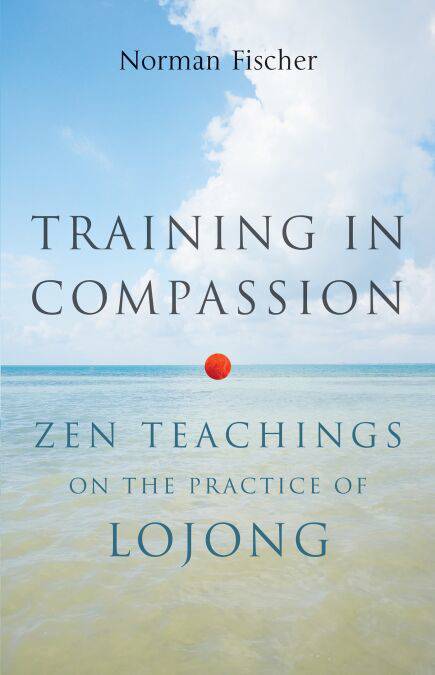
Training in Compassion E-BOOK
Zen Teachings on the Practice of Lojong
Norman Fischer
E-book | Engels
€ 18,68
+ 18 punten
Omschrijving
A prominent Zen teacher offers a “direct, penetrating, and powerful” perspective on a popular mind training practice of Tibetan Buddhism (Rick Hanson, author of Buddha’s Brain)
Lojong is the Tibetan Buddhist practice of working with short phrases (called "slogans") to generate bodhichitta, the heart and mind of enlightened compassion. With roots tracing back to the 900 A.D., the practice has gained more Western adherents over the past two decades, partly due to the influence of American Buddhist teachers like Pema Chödrön. Its effectiveness and accessibility have moved the practice out of its Buddhist context and into the lives of non-Buddhists across the world.
It's in this spirit that Norman Fischer offers his unique, Zen-based commentary on the Lojong. Though traditionally a practice of Tibetan Buddhism, the power of the Lojong extends to other Buddhist traditions—and even to other spiritual traditions as well. As Fischer explores the 59 slogans through a Zen lens, he shows how people from a range of faiths and backgrounds can use Lojong to generate the insight, resilience, and compassion they seek.
Lojong is the Tibetan Buddhist practice of working with short phrases (called "slogans") to generate bodhichitta, the heart and mind of enlightened compassion. With roots tracing back to the 900 A.D., the practice has gained more Western adherents over the past two decades, partly due to the influence of American Buddhist teachers like Pema Chödrön. Its effectiveness and accessibility have moved the practice out of its Buddhist context and into the lives of non-Buddhists across the world.
It's in this spirit that Norman Fischer offers his unique, Zen-based commentary on the Lojong. Though traditionally a practice of Tibetan Buddhism, the power of the Lojong extends to other Buddhist traditions—and even to other spiritual traditions as well. As Fischer explores the 59 slogans through a Zen lens, he shows how people from a range of faiths and backgrounds can use Lojong to generate the insight, resilience, and compassion they seek.
Specificaties
Betrokkenen
- Auteur(s):
- Uitgeverij:
Inhoud
- Aantal bladzijden:
- 176
- Taal:
- Engels
Eigenschappen
- Productcode (EAN):
- 9780834828568
- Verschijningsdatum:
- 7/01/2013
- Uitvoering:
- E-book
- Beveiligd met:
- Adobe DRM
- Formaat:
- ePub


Alleen bij Standaard Boekhandel
+ 18 punten op je klantenkaart van Standaard Boekhandel
Cadeau

AANGERADEN


Beoordelingen
We publiceren alleen reviews die voldoen aan de voorwaarden voor reviews. Bekijk onze voorwaarden voor reviews.