


- Afhalen na 1 uur in een winkel met voorraad
- Gratis thuislevering in België vanaf € 30
- Ruim aanbod met 7 miljoen producten
- Afhalen na 1 uur in een winkel met voorraad
- Gratis thuislevering in België vanaf € 30
- Ruim aanbod met 7 miljoen producten





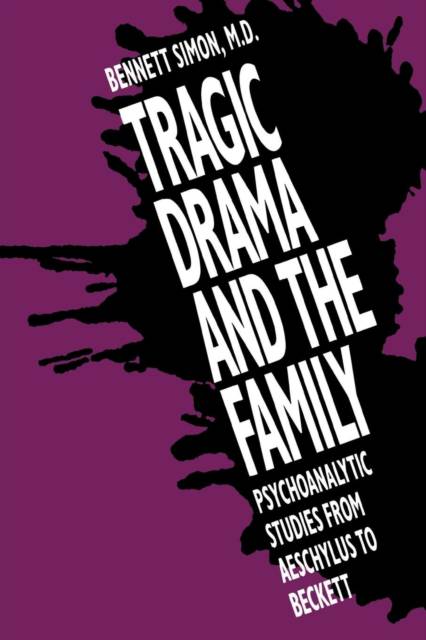
Tragic Drama and the Family
Psychoanalytic Studies from Aeschylus to Beckett
Bennett Simon
Paperback | Engels
€ 64,45
+ 128 punten
Omschrijving
One of the most important characteristics of tragic drama-as of psychoanalysis- is the focus on the family. Dr. Bennett Simon here provides a psychoanalytic reading of Aeschylus' Oresteia, Euripedes' Medea, Shakespeare's King Lear and Macbeth, O'Neill's Long Day's Journey into Night, and Beckett's Endgame, six plays from ancient to modern times which involve a particular form of intrafamily warfare: the killing of children or of the possibility of children. "A clinician-scholar-a good doctor at once of healing and of learning-richly continues the generous conversation begun in Freud between the ancient genre of tragedy and the modern generations of psychoanalysis. The openness of Bennett Simon's love of his material is the reward of his capacity for responding to the suffering that produces it."-Stanley Cavell "A towering achievement of applied psychoanalysis."-Donald M. Kaplan, International Journal of Psycho-Analysis "I strongly recommend the book for study by students in the area of literature and psychoanalysis, and for browsing by anyone interested in psychoanalysis and the humanites. Simon enlightens, excites, and invites us to think about important matters; there is no higher praise."-Arnold M. Cooper, Psychoanalytic Quarterly "The book demands attention and constant interaction with Simon's challenging ideas. . . . A valuable contribution to the continuing dialogue between the dramatists and the psychoanalysts."-Nancy M. Tischler, Comparative Drama "A learned and insightful exploration of some important constituents of tragic drama."-Lillian Feder, Contemporary Psychology
Specificaties
Betrokkenen
- Auteur(s):
- Uitgeverij:
Inhoud
- Aantal bladzijden:
- 288
- Taal:
- Engels
Eigenschappen
- Productcode (EAN):
- 9780300058055
- Verschijningsdatum:
- 1/07/1993
- Uitvoering:
- Paperback
- Formaat:
- Trade paperback (VS)
- Afmetingen:
- 157 mm x 235 mm
- Gewicht:
- 426 g



Alleen bij Standaard Boekhandel
+ 128 punten op je klantenkaart van Standaard Boekhandel
Cadeau

AANGERADEN


Beoordelingen
We publiceren alleen reviews die voldoen aan de voorwaarden voor reviews. Bekijk onze voorwaarden voor reviews.