


- Afhalen na 1 uur in een winkel met voorraad
- Gratis thuislevering in België vanaf € 30
- Ruim aanbod met 7 miljoen producten
- Afhalen na 1 uur in een winkel met voorraad
- Gratis thuislevering in België vanaf € 30
- Ruim aanbod met 7 miljoen producten





Omschrijving
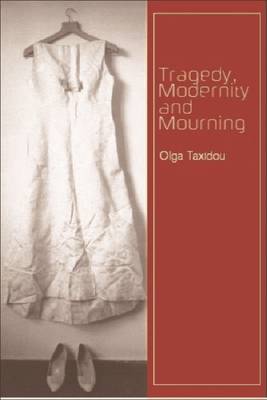
This powerful reinterpretation of Greek tragedy focuses on the performative - the physical and civic - dimension of tragedy. It challenges the idealist, humanist, and universalist approaches that have informed our most cherished philosophical, psychoanalytical, and modern interpretations of Greek tragedy and, in doing so, asks us to renew our relation to these works and to our literary and philosophical inheritance.The book reassesses tragic form in relation to Athenian democracy and links it with a performative discourse that both excludes the feminine and relies on civic and private forms of mourning. At the same time, it explores the centrality of tragedy for thinkers of Modernity such as Hölderlin, Nietzsche, Hegel, Freud, Brecht and Benjamin. Through a persuasive analysis of both classical theorists - Plato and Aristotle - and modern theorists - Benjamin, Lacan, Kristeva, Derrida and Butler - the book significantly shifts the emphasis from a Sophoclean model of tragedy to a Euripidean one. Close readings of the performance aspects of Greek play-texts help illuminate these ideas.Features* Compelling new interpretation of Greek tragedy * Performance based * Attentive to issues of gender
Specificaties
Betrokkenen
- Auteur(s):
- Uitgeverij:
Inhoud
- Aantal bladzijden:
- 224
- Taal:
- Engels
Eigenschappen
- Productcode (EAN):
- 9780748619870
- Verschijningsdatum:
- 28/04/2004
- Uitvoering:
- Hardcover
- Formaat:
- Genaaid
- Afmetingen:
- 155 mm x 236 mm
- Gewicht:
- 476 g


Alleen bij Standaard Boekhandel
+ 355 punten op je klantenkaart van Standaard Boekhandel
AANGERADEN


Beoordelingen
We publiceren alleen reviews die voldoen aan de voorwaarden voor reviews. Bekijk onze voorwaarden voor reviews.