



Je cadeautjes zeker op tijd in huis hebben voor de feestdagen? Kom langs in onze winkels en vind het perfecte geschenk!
- Afhalen na 1 uur in een winkel met voorraad
- Gratis thuislevering in België vanaf € 30
- Ruim aanbod met 7 miljoen producten
Je cadeautjes zeker op tijd in huis hebben voor de feestdagen? Kom langs in onze winkels en vind het perfecte geschenk!
- Afhalen na 1 uur in een winkel met voorraad
- Gratis thuislevering in België vanaf € 30
- Ruim aanbod met 7 miljoen producten





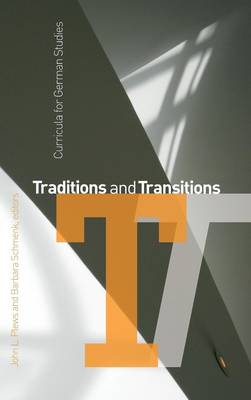
Traditions and Transitions
Curricula for German Studies
€ 153,45
+ 306 punten
Omschrijving
Traditions and Transitions: Curricula for German Studies is a collection of essays by Canadian and international scholars on the topic of why and how the curriculum for post-secondary German studies should evolve. Its twenty chapters, written by international experts in the field of German as a foreign or second language, explore new perspectives on and orientations in the curriculum. In light of shifts in the linguistic and intercultural needs of today's global citizens, these scholars in German studies question the foundations and motivations of common curriculum goals, traditional program content, standard syllabus design, and long-standing classroom practice. Several chapters draw on a range of contemporary theories-from critical applied linguistics, second-language acquisition, curriculum theory, and cultural studies-to propose and encourage new curriculum thinking and reflective practice related to the translingual and cross-cultural subjectivities of speakers, learners, and teachers of German. Other chapters describe and analyze specific examples of emerging trends in curriculum practice for learners as users of German. This volume will be invaluable to university and college faculty working in the discipline of German studies as well as in other modern languages and second-language education in general. Its combination of theoretical and descriptive explorations will help readers develop a critical awareness and understanding of curriculum for teaching German and to implement new approaches in the interests of their students.
Specificaties
Betrokkenen
- Uitgeverij:
Inhoud
- Aantal bladzijden:
- 414
- Taal:
- Engels
- Reeks:
- Reeksnummer:
- nr. 3
Eigenschappen
- Productcode (EAN):
- 9781554584314
- Verschijningsdatum:
- 22/10/2013
- Uitvoering:
- Hardcover
- Formaat:
- Genaaid
- Afmetingen:
- 155 mm x 229 mm
- Gewicht:
- 703 g

Alleen bij Standaard Boekhandel
+ 306 punten op je klantenkaart van Standaard Boekhandel
CADEAU


Beoordelingen
We publiceren alleen reviews die voldoen aan de voorwaarden voor reviews. Bekijk onze voorwaarden voor reviews.