


- Afhalen na 1 uur in een winkel met voorraad
- Gratis thuislevering in België vanaf € 30
- Ruim aanbod met 7 miljoen producten
- Afhalen na 1 uur in een winkel met voorraad
- Gratis thuislevering in België vanaf € 30
- Ruim aanbod met 7 miljoen producten





€ 64,45
+ 128 punten
Omschrijving
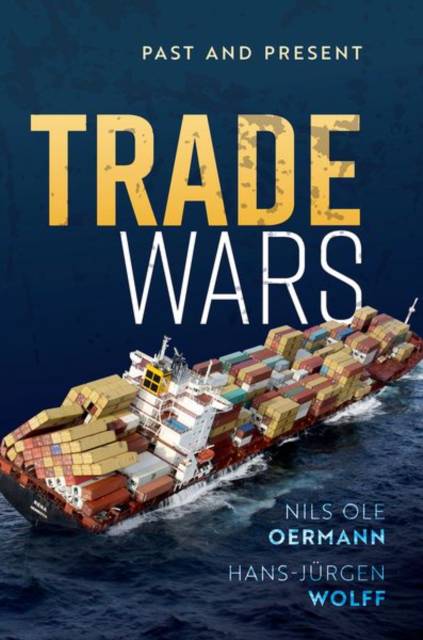
This book explores the causes and instruments of 500 years of armed and non-armed international trade conflicts. Nils Ole Oermann and Hans-Jürgen Wolff draw on decades of experience to examine trade wars, economic sanctions, and different types of economic warfare, investigating their history, ethics, economic driving forces, and legality under current rules. They provide a clear and accessible account of the economics of trade, of trade and financial policy since the nineteenth century, and of the effectiveness of sanctions and the 'winnability' of trade wars. The book also describes the transformation of economic warfare since 1989, namely in cyberspace and in the world financial system, and shows how China's rise challenges the Western model of democracy and free market economies. The authors conclude with a plea for improved economic statecraft and an overhaul of the current trading regime.
Specificaties
Betrokkenen
- Auteur(s):
- Uitgeverij:
Inhoud
- Aantal bladzijden:
- 330
- Taal:
- Engels
Eigenschappen
- Productcode (EAN):
- 9780192848901
- Verschijningsdatum:
- 25/11/2022
- Uitvoering:
- Hardcover
- Formaat:
- Genaaid
- Afmetingen:
- 164 mm x 237 mm
- Gewicht:
- 671 g


Alleen bij Standaard Boekhandel
+ 128 punten op je klantenkaart van Standaard Boekhandel
Cadeau

AANGERADEN


Beoordelingen
We publiceren alleen reviews die voldoen aan de voorwaarden voor reviews. Bekijk onze voorwaarden voor reviews.