


- Afhalen na 1 uur in een winkel met voorraad
- Gratis thuislevering in België vanaf € 30
- Ruim aanbod met 7 miljoen producten
- Afhalen na 1 uur in een winkel met voorraad
- Gratis thuislevering in België vanaf € 30
- Ruim aanbod met 7 miljoen producten





€ 59,45
+ 118 punten
Omschrijving
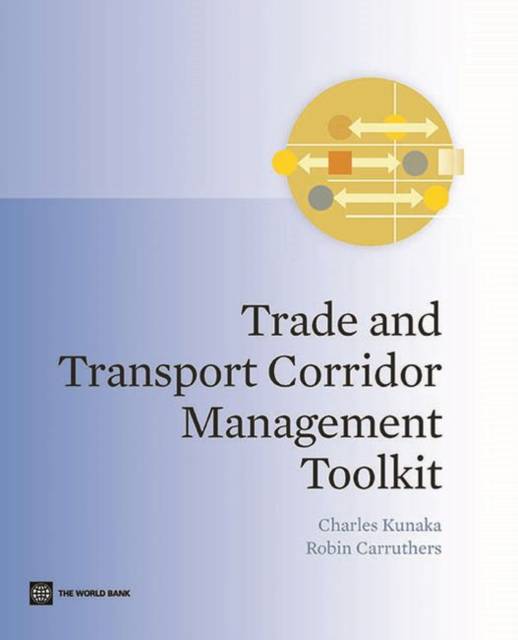
"Global trade moves along a few select high-density routes or corridors. Such routes have existed for several millennia, of which the Silk Road is the most famous. In fact, all regions of the world, developed and developing, have several trade and transport corridor initiatives. Such initiatives take even more importance for landlocked countries which depend on them to provide access to seaports in neighboring countries, and through them, to overseas markets. Any weaknesses or inefficiencies in the performance of international trade corridors increase trade costs and impact the competitiveness of the affected countries. As a result, trade and transport facilitation projects designed around regional trade corridors are increasing. In some instances the projects involve at least two countries and include infrastructure development, improvement to logistics services, regulatory reforms in customs and border management, and institutional strengthening. Corridor projects can therefore be quite complex. Yet there is currently little or no clear guidance on what is needed to design effective corridor projects or to improve the performance of existing trade and transport corridors. This Toolkit is designed to fill this gap by providing a concise yet comprehensive compilation of tools and techniques for the design, analysis, and improvement of trade and transport corridor design. The Toolkit also includes guidance on the major approaches to evaluating the impact of trade and transport corridors. The main target audience for the Toolkit are the task managers leading the design of corridor projects, policy makers involved in developing logistics strategies, and corridor service providers and users."
Specificaties
Betrokkenen
- Auteur(s):
- Uitgeverij:
Inhoud
- Aantal bladzijden:
- 410
- Taal:
- Engels
- Reeks:
Eigenschappen
- Productcode (EAN):
- 9781464801433
- Verschijningsdatum:
- 9/05/2014
- Uitvoering:
- Paperback
- Formaat:
- Trade paperback (VS)
- Afmetingen:
- 183 mm x 234 mm
- Gewicht:
- 798 g


Alleen bij Standaard Boekhandel
+ 118 punten op je klantenkaart van Standaard Boekhandel
Cadeau

AANGERADEN


Beoordelingen
We publiceren alleen reviews die voldoen aan de voorwaarden voor reviews. Bekijk onze voorwaarden voor reviews.