


- Afhalen na 1 uur in een winkel met voorraad
- Gratis thuislevering in België vanaf € 30
- Ruim aanbod met 7 miljoen producten
- Afhalen na 1 uur in een winkel met voorraad
- Gratis thuislevering in België vanaf € 30
- Ruim aanbod met 7 miljoen producten





€ 102,95
+ 205 punten
Eenvoudig bestellen
Veilig betalen


Gratis thuislevering vanaf € 30 (via bpost)
Gratis levering in je Standaard Boekhandel
Omschrijving
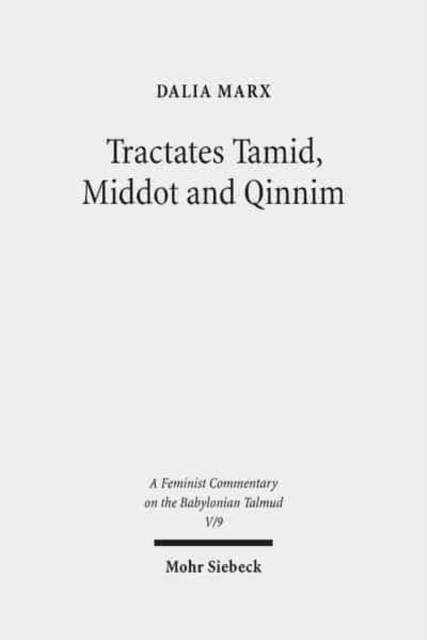
Dalia Marx provides a general introduction and feminist commentary on the last three tractates of the order of Qodashim . Each tractate deals with different aspects of the Second Temple as perceived by the rabbis and each sheds its own light on gender issues. The commentary on Tamid, a tractate dealing with the priestly service in the Temple, discusses the priests as a gender unto themselves and considers women as potential participants in the lay-service of the Temple and perhaps even as part of the sacred service. Middot concerns itself with the design of the Temple, and the commentary explores sacred space from a gendered perspective. Finally, Marx turns to Qinnim, a tractate dealing with bird offerings, typically brought by women. The commentary shows how the tractate employs images of women to develop its discourse. This volume opens a unique window onto the rabbis' perspectives on the Temple and gender related matters.
Specificaties
Betrokkenen
- Auteur(s):
- Uitgeverij:
Inhoud
- Aantal bladzijden:
- 258
- Taal:
- Engels
- Reeks:
- Reeksnummer:
- nr. 9
Eigenschappen
- Productcode (EAN):
- 9783161524967
- Verschijningsdatum:
- 31/12/2013
- Uitvoering:
- Hardcover
- Formaat:
- Genaaid
- Afmetingen:
- 153 mm x 229 mm
- Gewicht:
- 566 g


Alleen bij Standaard Boekhandel
+ 205 punten op je klantenkaart van Standaard Boekhandel
CADEAU

AANGERADEN


Beoordelingen
We publiceren alleen reviews die voldoen aan de voorwaarden voor reviews. Bekijk onze voorwaarden voor reviews.