


- Afhalen na 1 uur in een winkel met voorraad
- Gratis thuislevering in België vanaf € 30
- Ruim aanbod met 7 miljoen producten
- Afhalen na 1 uur in een winkel met voorraad
- Gratis thuislevering in België vanaf € 30
- Ruim aanbod met 7 miljoen producten





€ 106,95
+ 213 punten
Omschrijving
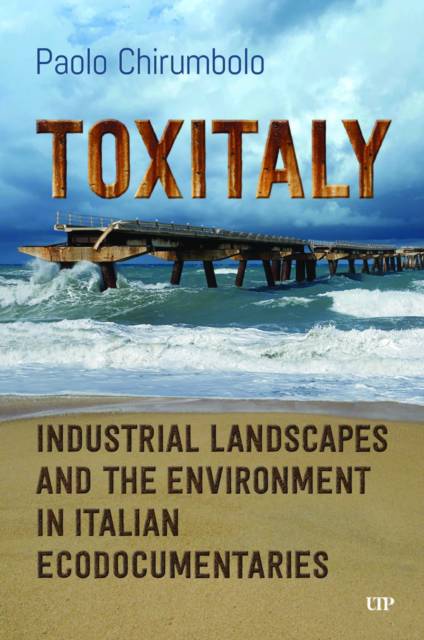
The rise of Italian ecodocumentaries represents a significant cultural response to urgent environmental issues, reflecting a growing ecological awareness in contemporary Italian society.
Toxitaly presents comprehensive scholarly analysis of these films, exploring their portrayal of key regional and national environmental events and concerns.
Paolo Chirumbolo discusses the impact of these documentaries on Italian culture, highlighting how they depict industrial landscapes and articulate the emerging ecological consciousness. The analysis is structured around four main narratives: "Petronarratives," "Steel Narratives," "Chemical Narratives," and "Waste Narratives." Each ecodocumentary is examined thematically and formally, with Chirumbolo employing Bill Nichols's theories on the various modes of representation in documentary film to define the relationships between subject matter, filmmaker, and viewer.
In a time of increasing public interest in environmental issues and the growth of grassroots movements, Toxitaly illuminates how ecodocumentaries can shape public discourse and inspire ecological awareness both in Italy and beyond.
Toxitaly presents comprehensive scholarly analysis of these films, exploring their portrayal of key regional and national environmental events and concerns.
Paolo Chirumbolo discusses the impact of these documentaries on Italian culture, highlighting how they depict industrial landscapes and articulate the emerging ecological consciousness. The analysis is structured around four main narratives: "Petronarratives," "Steel Narratives," "Chemical Narratives," and "Waste Narratives." Each ecodocumentary is examined thematically and formally, with Chirumbolo employing Bill Nichols's theories on the various modes of representation in documentary film to define the relationships between subject matter, filmmaker, and viewer.
In a time of increasing public interest in environmental issues and the growth of grassroots movements, Toxitaly illuminates how ecodocumentaries can shape public discourse and inspire ecological awareness both in Italy and beyond.
Specificaties
Betrokkenen
- Auteur(s):
- Uitgeverij:
Inhoud
- Aantal bladzijden:
- 228
- Taal:
- Engels
- Reeks:
Eigenschappen
- Productcode (EAN):
- 9781487560331
- Verschijningsdatum:
- 11/06/2025
- Uitvoering:
- Hardcover
- Formaat:
- Genaaid
- Afmetingen:
- 152 mm x 231 mm
- Gewicht:
- 453 g


Alleen bij Standaard Boekhandel
+ 213 punten op je klantenkaart van Standaard Boekhandel
Cadeau

AANGERADEN


Beoordelingen
We publiceren alleen reviews die voldoen aan de voorwaarden voor reviews. Bekijk onze voorwaarden voor reviews.