


- Afhalen na 1 uur in een winkel met voorraad
- Gratis thuislevering in België vanaf € 30
- Ruim aanbod met 7 miljoen producten
- Afhalen na 1 uur in een winkel met voorraad
- Gratis thuislevering in België vanaf € 30
- Ruim aanbod met 7 miljoen producten





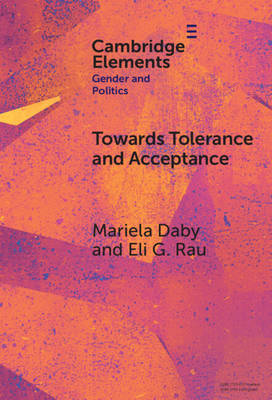
Towards Tolerance and Acceptance
Public Opinion and LGBTQ+ Politics in Latin America
Mariela Daby, Eli G Rau
€ 112,95
+ 225 punten
Uitvoering
Omschrijving
Latin America has experienced an unprecedented expansion of LGBTQ+ rights in recent decades. Although obstacles remain for LGBTQ+ citizens, countries such as Uruguay and Argentina have become world leaders in enacting LGBTQ+ rights, and public opinion has shifted dramatically towards more positive sentiments. What underlies these shifting attitudes? Drawing on both survey data and interviews, we describe multiple processes by which individuals move from prejudice and rejection to tolerance and acceptance. We show that attitude change is often slow and gradual, and that explaining these trends requires attention to both macro-level forces and individual experiences. In Latin America, a boom in international tourism created economic incentives for tolerance; broad shifts in demographics and the media landscape created openings for people to reconsider what a family looks like; and societies grappling with human rights abuses were more receptive to appeals for protecting LGBTQ+ rights as human rights.
Specificaties
Betrokkenen
- Auteur(s):
- Uitgeverij:
Inhoud
- Aantal bladzijden:
- 90
- Taal:
- Engels
- Reeks:
Eigenschappen
- Productcode (EAN):
- 9781009537407
- Verschijningsdatum:
- 2/04/2026
- Uitvoering:
- Hardcover
- Formaat:
- Genaaid
- Afmetingen:
- 152 mm x 229 mm
- Gewicht:
- 290 g


Alleen bij Standaard Boekhandel
+ 225 punten op je klantenkaart van Standaard Boekhandel
Cadeau

AANGERADEN


Beoordelingen
We publiceren alleen reviews die voldoen aan de voorwaarden voor reviews. Bekijk onze voorwaarden voor reviews.