


- Afhalen na 1 uur in een winkel met voorraad
- Gratis thuislevering in België vanaf € 30
- Ruim aanbod met 7 miljoen producten
- Afhalen na 1 uur in een winkel met voorraad
- Gratis thuislevering in België vanaf € 30
- Ruim aanbod met 7 miljoen producten





€ 66,45
+ 132 punten
Omschrijving
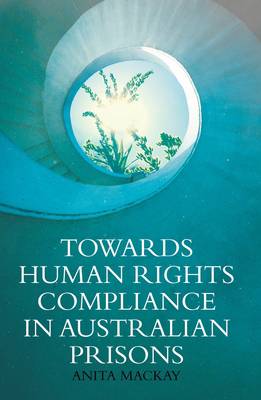
Imprisoned people have always been vulnerable and in need of human rights protections. The slow but steady growth in the protection of imprisoned people's rights over recent decades in Australia has mostly come from incremental change to prison legislation and common law principles. A radical influence is about to disrupt this slow change. Australian prisons and other closed environments will soon be subject to international inspections by the United Nations Subcommittee on the Prevention of Torture (SPT). This is because the Australian Government ratified the Optional Protocol to the Convention Against Torture and other Cruel, Inhuman or Degrading Treatment or Punishment (OPCAT) in December 2017. Australia's international human rights law obligations as they apply to prisons are complex and stem from multiple Treaties. This book distils these obligations into five prerequisites for compliance, consistent with the preventive focus of the OPCAT. They are: 1. reduce reliance on imprisonment 2. align domestic legislation with Australia's international human rights law obligations 3. shift the focus of imprisonment to the goal of rehabilitation and restoration 4. support prison staff to treat imprisoned people in a human rights-consistent manner 5. ensure decent physical conditions in all prisons. Attention to each of these five areas will help all levels of Australian government and prison managers take the steps required to move towards compliance. Human-rights led prison reform is necessary both to improve the lives of imprisoned people and for Australia to achieve compliance with the international human rights legal obligations to which it has voluntarily committed itself. Awarded the 2021 Australian and New Zealand Society of Criminology (ANZSOC) Christine M Alder book award for 'an outstanding monograph or book which, in the opinion of the judges, has made a valuable and outstanding contribution to criminology'.
Specificaties
Betrokkenen
- Auteur(s):
- Uitgeverij:
Inhoud
- Aantal bladzijden:
- 368
- Taal:
- Engels
Eigenschappen
- Productcode (EAN):
- 9781760464004
- Verschijningsdatum:
- 11/11/2020
- Uitvoering:
- Paperback
- Formaat:
- Trade paperback (VS)
- Afmetingen:
- 153 mm x 234 mm
- Gewicht:
- 680 g


Alleen bij Standaard Boekhandel
+ 132 punten op je klantenkaart van Standaard Boekhandel
AANGERADEN


Beoordelingen
We publiceren alleen reviews die voldoen aan de voorwaarden voor reviews. Bekijk onze voorwaarden voor reviews.