Standaard Boekhandel gebruikt cookies en gelijkaardige technologieën om de website goed te laten werken en je een betere surfervaring te bezorgen.
Hieronder kan je kiezen welke cookies je wilt inschakelen:
Technische en functionele cookies
Deze cookies zijn essentieel om de website goed te laten functioneren, en laten je toe om bijvoorbeeld in te loggen. Je kan deze cookies niet uitschakelen.
Analytische cookies
Deze cookies verzamelen anonieme informatie over het gebruik van onze website. Op die manier kunnen we de website beter afstemmen op de behoeften van de gebruikers.
Marketingcookies
Deze cookies delen je gedrag op onze website met externe partijen, zodat je op externe platformen relevantere advertenties van Standaard Boekhandel te zien krijgt.
Bedankt voor het vertrouwen het afgelopen jaar! Om jou te bedanken bieden we GRATIS verzending (in België) aan op alles gedurende de hele maand januari.
Afhalen na 1 uur in een winkel met voorraad
In januari gratis thuislevering in België
Ruim aanbod met 7 miljoen producten
Bedankt voor het vertrouwen het afgelopen jaar! Om jou te bedanken bieden we GRATIS verzending (in België) aan op alles gedurende de hele maand januari.
Je kan maximaal 250 producten tegelijk aan je winkelmandje toevoegen. Verwijdere enkele producten uit je winkelmandje, of splits je bestelling op in meerdere bestellingen.
In januari gratis thuislevering in België (via bpost)
Gratis levering in je Standaard Boekhandel
Omschrijving
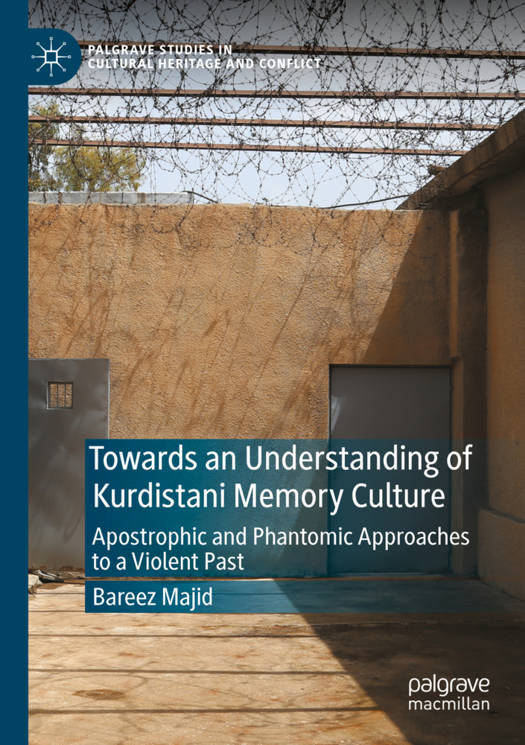
This book presents a thorough analysis of the Kurdistan Region of Iraq's memory culture, focusing particularly on commemorations and representations of the Anfal and Halabja atrocities. The author employs a transdisciplinary approach that draws on Memory Studies, Postcolonial Studies, Heritage Studies, Kurdish Studies, Literary Studies and Trauma Studies, to analyze cultural objects such as Kurdistani literary novels, museums, and school curricula. The book introduces two key concepts: the "phantomic museum" and the "apostrophic museum." The former explores the fragile and politicized nature of memories of missing individuals who disappeared during Saddam Hussein's genocidal campaigns and who have never been found, primarily as they return in the Halabja Monument and Peace Museum. The latter examines how the addressing - apostrophizing - of Kurdistan, in and by the Amna Suraka museum in the city of Sulaymaniyah, institutionalizes "official" and highly politicized versions of the past.