


- Afhalen na 1 uur in een winkel met voorraad
- Gratis thuislevering in België vanaf € 30
- Ruim aanbod met 7 miljoen producten
- Afhalen na 1 uur in een winkel met voorraad
- Gratis thuislevering in België vanaf € 30
- Ruim aanbod met 7 miljoen producten





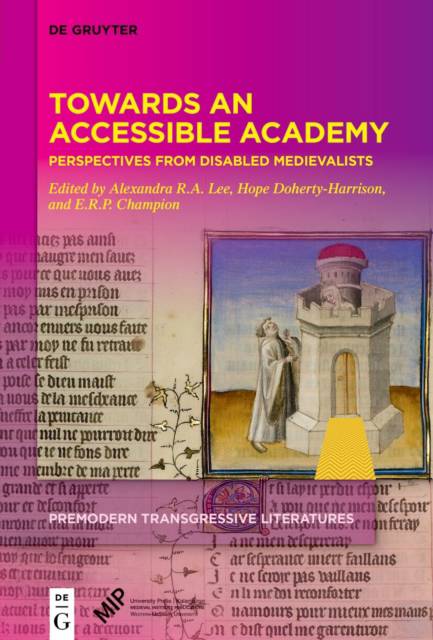
Towards an Accessible Academy
Perspectives from Disabled Medievalists
€ 177,45
+ 354 punten
Omschrijving
Higher Education is a rich and diverse environment which allows so many different types of people and disciplines to flourish. Medieval Studies is a particular confluence of this, with the meeting of history, literature, history of art, archaeology, and more. The contributors describe their lived experience of disability and how this intersects with the discipline of Medieval Studies, embracing both the challenges and the joy this can bring. They discuss teaching, research, and just existing within the university, bringing in theoretical approaches as well as linking to medieval texts. Towards an Accessible Academy provides a unique perspective on the state of accessibility within this field and in the university environment more broadly.
This volume sits between work which centers the experience of disabled academics and which provides guidance for supporting disabled students. While providing real-life testimonies of disability in the academy, many chapters also include practical advice on best practice in supporting disabled scholars and students, as well as how the authors feel connected to the medieval sources we study.
The book is also a call to action for all of its readers to actively practise allyship, providing clear examples of how we might all implement the advice given by contributors to improve the accessibility of our academy.
Specificaties
Betrokkenen
- Uitgeverij:
Inhoud
- Aantal bladzijden:
- 238
- Taal:
- Engels
- Reeks:
- Reeksnummer:
- nr. 2
Eigenschappen
- Productcode (EAN):
- 9781501521096
- Verschijningsdatum:
- 15/08/2025
- Uitvoering:
- Hardcover
- Formaat:
- Genaaid
- Afmetingen:
- 156 mm x 234 mm
- Gewicht:
- 517 g

Alleen bij Standaard Boekhandel
+ 354 punten op je klantenkaart van Standaard Boekhandel
Cadeau

AANGERADEN


Beoordelingen
We publiceren alleen reviews die voldoen aan de voorwaarden voor reviews. Bekijk onze voorwaarden voor reviews.