


- Afhalen na 1 uur in een winkel met voorraad
- Gratis thuislevering in België vanaf € 30
- Ruim aanbod met 7 miljoen producten
- Afhalen na 1 uur in een winkel met voorraad
- Gratis thuislevering in België vanaf € 30
- Ruim aanbod met 7 miljoen producten





€ 169,95
+ 339 punten
Omschrijving
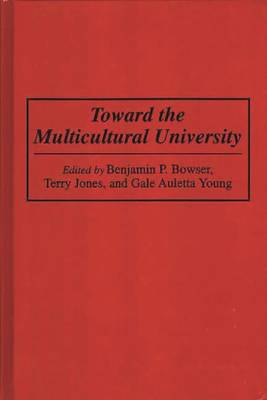
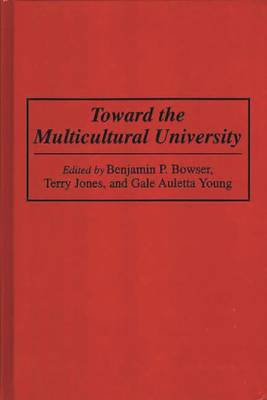
This book moves the controversy over multiculturalism in higher education from primarily an ideological debate to practical and concrete considerations. The first part outlines the demographic and historic realities that will make some form of multicultural education necessary in the coming century. The second part provides examples of how selective aspects of North American co-cultures (e.g., Native American and Puerto Rican) could be central to reforming curriculum and instruction. The final part provides practical and concrete suggestions and proposals for how to improve teaching, administration, and student outcomes in higher education by making them domestically and internationally multicultural. It becomes apparent that the need for greater multiculturalism is part of a long history of higher education in the United States as it has responded to cultural and social change, and that there is no inherent reason why the university community cannot include in its core organization and mission the wisdom of multiple cultures--European, African, Native American, and Asian.
Specificaties
Betrokkenen
- Auteur(s):
- Uitgeverij:
Inhoud
- Aantal bladzijden:
- 224
- Taal:
- Engels
Eigenschappen
- Productcode (EAN):
- 9780275947675
- Verschijningsdatum:
- 30/04/1995
- Uitvoering:
- Hardcover
- Formaat:
- Genaaid
- Afmetingen:
- 162 mm x 241 mm
- Gewicht:
- 530 g


Alleen bij Standaard Boekhandel
+ 339 punten op je klantenkaart van Standaard Boekhandel
Cadeau

AANGERADEN


Beoordelingen
We publiceren alleen reviews die voldoen aan de voorwaarden voor reviews. Bekijk onze voorwaarden voor reviews.