


- Afhalen na 1 uur in een winkel met voorraad
- Gratis thuislevering in België vanaf € 30
- Ruim aanbod met 7 miljoen producten
- Afhalen na 1 uur in een winkel met voorraad
- Gratis thuislevering in België vanaf € 30
- Ruim aanbod met 7 miljoen producten





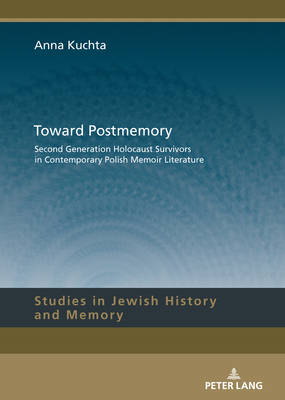
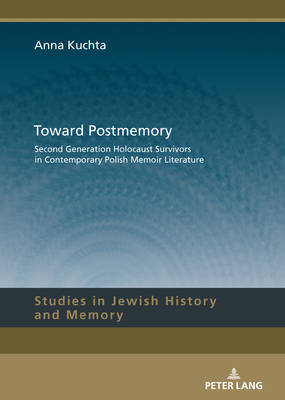
Toward Postmemory
Second Generation Holocaust Survivors in Contemporary Polish Memoir Literature
Anna Kuchta
€ 63,95
+ 127 punten
Omschrijving
The book thoroughly explores postmemory in the Polish historical and political contexts to reveal the multidimensional identity strategies of the second generation of Jews in Poland after the Holocaust, also called the "generation after". Kuchta provides a captivating reflection by focusing on transgenerational transmission of trauma, strategies adapted toward the Holocaust legacy, and ways of constructing Polish-Jewish identity projects in the twentieth and twenty-first centuries. The book comparatively analyzes literary works by the "generation after" while considering the influence of postmemory on the identity of people born after the Second World War. To that end, Kuchta analyzes autobiographical threads in texts by six Polish writers born in the 1940s and 1950s into families of Holocaust survivors, whose works can be read as identity declarations, namely Ewa Kuryluk, Bożena Keff, Roman Gren, Magdalena Tulli, Agata Tuszyńska, and Monika Sznajderman.
Specificaties
Betrokkenen
- Auteur(s):
- Uitgeverij:
Inhoud
- Aantal bladzijden:
- 336
- Taal:
- Engels
- Reeks:
- Reeksnummer:
- nr. 20
Eigenschappen
- Productcode (EAN):
- 9783631912072
- Verschijningsdatum:
- 26/01/2026
- Uitvoering:
- Hardcover
- Formaat:
- Genaaid
- Afmetingen:
- 148 mm x 210 mm
- Gewicht:
- 553 g


Alleen bij Standaard Boekhandel
+ 127 punten op je klantenkaart van Standaard Boekhandel
Cadeau

AANGERADEN


Beoordelingen
We publiceren alleen reviews die voldoen aan de voorwaarden voor reviews. Bekijk onze voorwaarden voor reviews.