



Je cadeautjes zeker op tijd in huis hebben voor de feestdagen? Kom langs in onze winkels en vind het perfecte geschenk!
- Afhalen na 1 uur in een winkel met voorraad
- Gratis thuislevering in België vanaf € 30
- Ruim aanbod met 7 miljoen producten
Je cadeautjes zeker op tijd in huis hebben voor de feestdagen? Kom langs in onze winkels en vind het perfecte geschenk!
- Afhalen na 1 uur in een winkel met voorraad
- Gratis thuislevering in België vanaf € 30
- Ruim aanbod met 7 miljoen producten





Omschrijving
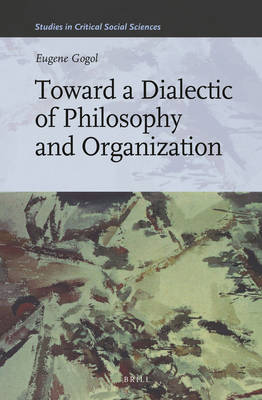
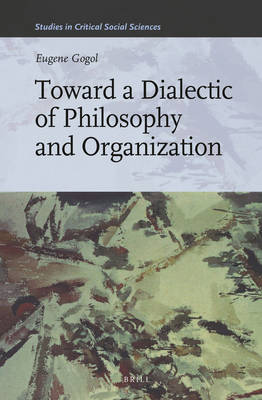
Toward a Dialectic of Philosophy and Organization is an exploration of Hegel's dialectic and its radical re-creation in Marx's thought within the context of revolutions and revolutionary organizations in the nineteenth and twentieth centuries. Does a dialectic in philosophy itself bring forth a dialectic in revolutionary organization? This question is explored via organizational practices in the Paris Commune, the 2nd International, the Russian Revolutions of 1905 and 1917, the Spanish Revolution of 1936-37 and the Hungarian Revolution of 1956, as well as the theoretical-organizational concepts of such thinkers as Lassalle, Lenin, Luxemburg, Trotsky and Pannekoek.
"What Philosophic-Organizational Vantage Point Is Needed for Revolutionary Transformation Today?" is examined by engaging the theoretical arguments of a number of thinkers. Among them: Adorno, Dunayevskaya, Hardt and Negri, Holloway, Lebowitz, Lukcás, Mészáros and Postone.
"What Philosophic-Organizational Vantage Point Is Needed for Revolutionary Transformation Today?" is examined by engaging the theoretical arguments of a number of thinkers. Among them: Adorno, Dunayevskaya, Hardt and Negri, Holloway, Lebowitz, Lukcás, Mészáros and Postone.
Specificaties
Betrokkenen
- Auteur(s):
- Uitgeverij:
Inhoud
- Aantal bladzijden:
- 408
- Taal:
- Engels
- Reeks:
- Reeksnummer:
- nr. 45
Eigenschappen
- Productcode (EAN):
- 9789004224681
- Verschijningsdatum:
- 22/08/2012
- Uitvoering:
- Hardcover
- Formaat:
- Genaaid
- Afmetingen:
- 155 mm x 235 mm
- Gewicht:
- 1679 g


Alleen bij Standaard Boekhandel
+ 580 punten op je klantenkaart van Standaard Boekhandel
CADEAU


Beoordelingen
We publiceren alleen reviews die voldoen aan de voorwaarden voor reviews. Bekijk onze voorwaarden voor reviews.