


- Afhalen na 1 uur in een winkel met voorraad
- Gratis thuislevering in België vanaf € 30
- Ruim aanbod met 7 miljoen producten
- Afhalen na 1 uur in een winkel met voorraad
- Gratis thuislevering in België vanaf € 30
- Ruim aanbod met 7 miljoen producten





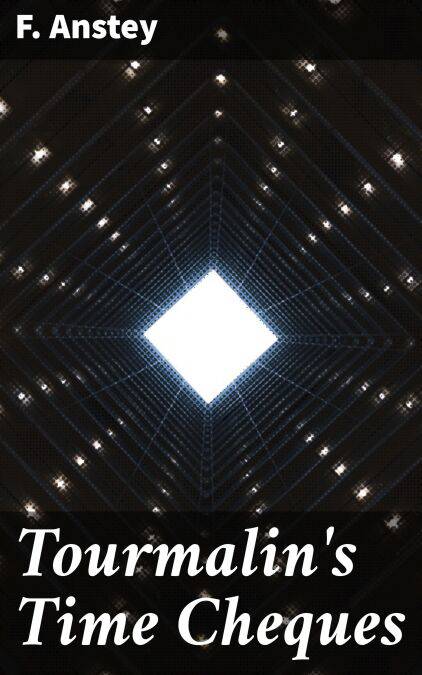
Tourmalin's Time Cheques E-BOOK
Journey Through Time with Tourmalin's Mysterious Time Cheques
F. Anstey
E-book | Engels
€ 0,99
€ 1,99
Omschrijving
In "Tourmalin's Time Cheques," F. Anstey deftly explores the interplay of time and finance through a captivating narrative set in the late Victorian era. The novel employs a satirical lens to examine societal norms, cleverly intertwining elements of fantasy with sharp wit. Anstey's literary style is marked by a rich vocabulary and intricate prose, evoking the whimsicality of Lewis Carroll while addressing deeper questions of value and consequence. The narrative follows the protagonist, Mr. Tourmalin, as he navigates a world where time can be bought and sold, ultimately challenging the reader to reflect on the nature of wealth and experience in an increasingly mechanized society. F. Anstey, born in 1856, was a prominent English novelist and humorist known for his satirical takes on contemporary issues. His diverse background in law and literature provided him with a unique perspective, enhancing his ability to critique societal trends through humor and fantasy. Anstey's experiences with the burgeoning capitalist landscape of his time profoundly influenced his portrayal of time and money in this work, marking it as a significant commentary of the era. I highly recommend "Tourmalin's Time Cheques" to readers interested in both literary satire and the philosophical implications of time. Anstey'Äôs distinctive blend of humor and irony not only entertains but also compels us to examine our own perceptions of value within the constraints of modern life.
Specificaties
Betrokkenen
- Auteur(s):
- Uitgeverij:
Inhoud
- Aantal bladzijden:
- 183
- Taal:
- Engels
Eigenschappen
- Productcode (EAN):
- 4064066249571
- Verschijningsdatum:
- 4/12/2019
- Uitvoering:
- E-book
- Beveiligd met:
- Digital watermarking
- Formaat:
- ePub


Alleen bij Standaard Boekhandel
Cadeau

AANGERADEN


Beoordelingen
We publiceren alleen reviews die voldoen aan de voorwaarden voor reviews. Bekijk onze voorwaarden voor reviews.