


- Afhalen na 1 uur in een winkel met voorraad
- Gratis thuislevering in België vanaf € 30
- Ruim aanbod met 7 miljoen producten
- Afhalen na 1 uur in een winkel met voorraad
- Gratis thuislevering in België vanaf € 30
- Ruim aanbod met 7 miljoen producten





€ 254,45
+ 508 punten
Uitvoering
Omschrijving
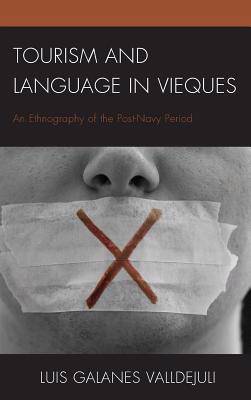
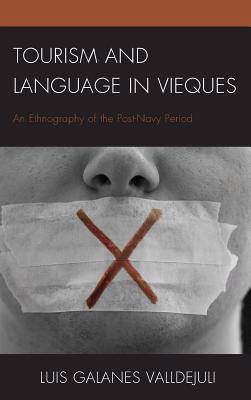
After more than sixty years of occupation by the U.S. Navy and intensive community struggles, the Puerto Rican island of Vieques was finally returned to civilian control in 2003. But, as this book documents, the Viequenses' struggles were far form over after the departure of the Navy. The Viequenses were left to contend with the devastating effects of sixty-two years of bombing; the environment and health of the population had been severely harmed. Yet this was a minor issue in comparison to the effects of the newly instated tourism industry on the island. Drawing from ethnographic research conducted between 2004 to 2016, Luis Galanes Valldejuli captures the larger social conflict derived from the arrival of tourists, who brought change to the island in the form of land speculation, work conflicts, racism, language barriers, and neoliberalism. A close observer of the Viequenses, Valldejuli details the deleterious effects of tourism on the voice of the Viequenses: they were no longer heard. This book is recommended for scholars of anthropology, tourism studies, linguistics, cultural geography, political science, and history.
Specificaties
Betrokkenen
- Auteur(s):
- Uitgeverij:
Inhoud
- Aantal bladzijden:
- 178
- Taal:
- Engels
- Reeks:
Eigenschappen
- Productcode (EAN):
- 9781498555418
- Verschijningsdatum:
- 8/12/2017
- Uitvoering:
- Hardcover
- Formaat:
- Genaaid
- Afmetingen:
- 152 mm x 229 mm
- Gewicht:
- 430 g


Alleen bij Standaard Boekhandel
+ 508 punten op je klantenkaart van Standaard Boekhandel
Cadeau

AANGERADEN


Beoordelingen
We publiceren alleen reviews die voldoen aan de voorwaarden voor reviews. Bekijk onze voorwaarden voor reviews.